The Hanseatic Charm of Northern Germany's Coastal Cities
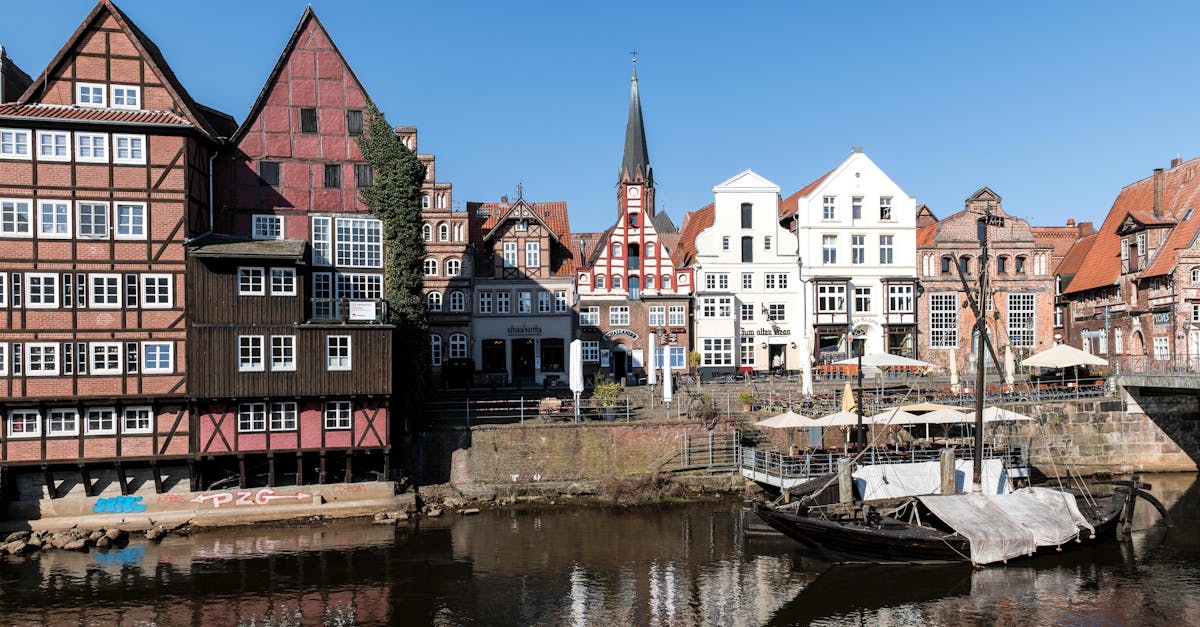 This photo was taken by Wolfgang Weiser on Pexels.
Welcome to the windswept shores where history breathes through red-brick walls and the sea breeze carries tales of old trade routes. As your guide through this enchanting region, I invite you to discover the unique Hanseatic charm that defines Northern Germany's coastal cities. From the imposing grandeur of medieval brick Gothic structures that once housed powerful merchant guilds to the simple yet profound pleasures of fresh seafood paired with hearty rye bread, every corner tells a story. Whether you are wandering through quaint harbor towns or gazing out at iconic lighthouses from a seaside promenade, prepare to immerse yourself in a landscape where the past and present meet under the vast northern sky.
Medieval Wonders: Exploring the Brick Gothic Architecture
As you wander through the cobblestone streets of cities like Lübeck, Rostock, and Stralsund, you will be immediately struck by the distinctive reddish-brown skyline that defines Northern Germany's Hanseatic heritage. This unique architectural style, known as Brick Gothic or Backsteingotik, emerged from a practical necessity; lacking local stone quarries, medieval merchants utilized fired clay bricks to construct their magnificent churches, town halls, and city gates. The result is a harmonious yet imposing aesthetic where intricate brick patterns replace elaborate stone carvings, creating a textured facade that glows warmly under the northern sun and stands as a testament to the wealth and power of the once-dominant Hanseatic League.
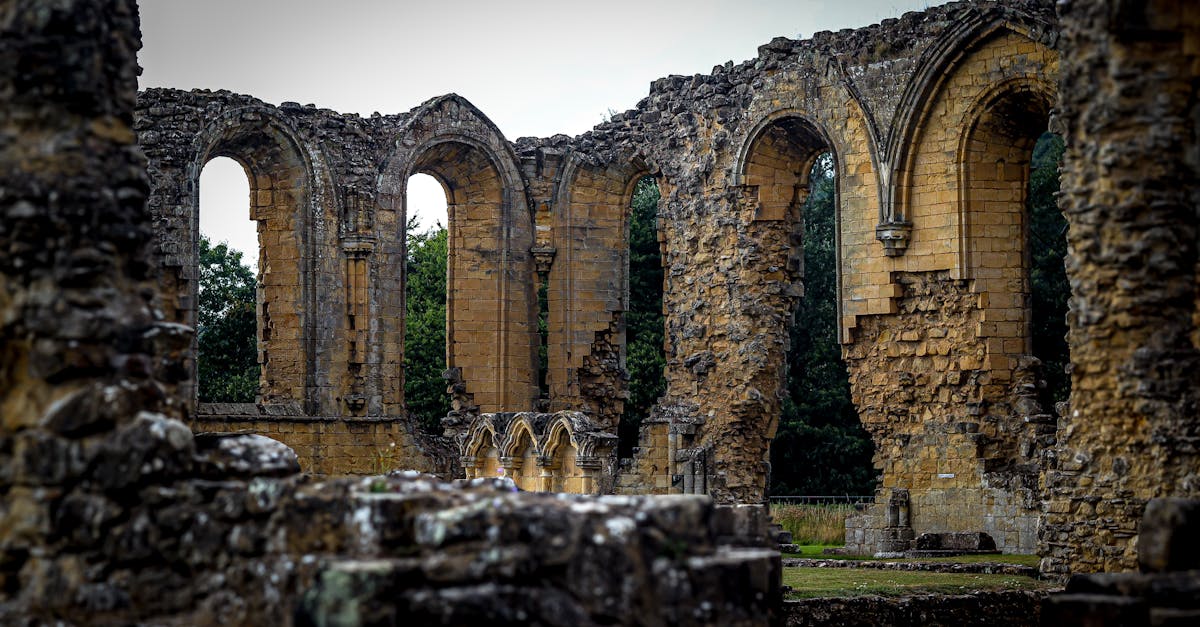
Among these enduring structures, the Marienkirche in Lübeck and the St. Nicholas Church in Wismar serve as breathtaking examples of this era's engineering prowess and spiritual grandeur. Their soaring vaulted ceilings and towering spires were not merely places of worship but also symbols of civic pride, often dominating the harbor views for centuries. Today, exploring these interiors reveals a world of acoustic perfection and atmospheric lighting, where the rough-hewn beauty of the brickwork tells stories of trade routes, religious devotion, and resilience against the elements. Walking beneath these historic arches offers more than just a visual experience; it provides a tangible connection to the bustling medieval past that shaped the cultural identity of Germany's coastal regions.
 This photo was taken by Kristian Thomas on Pexels.
Culinary Delights: A Taste of North German Seafood and Rye Bread
Immerse yourself in the authentic flavors of the North Sea coast, where the culinary scene is dominated by the freshest catch of the day. In bustling ports like Hamburg and Bremen, you will find traditional fish stalls serving up steaming plates of Fischbrötchen, a simple yet iconic sandwich featuring succulent fried herring or grilled mackerel nestled in a soft bun with tangy pickles and onions. For a more refined experience, dine at a historic Gasthaus overlooking the Elbe River to savor delicate shrimp soups or pan-fried plaice, often accompanied by creamy potato salads that perfectly balance the briny richness of the seafood.
No coastal meal is complete without the hearty accompaniment of Northern Germany's famous rye bread, known locally as Roggenbrot. This dense, dark loaf, often studded with seeds and grains, offers a satisfyingly sour taste and a chewy texture that stands up beautifully to the rich toppings found on local tables. Whether you are enjoying it sliced thick with smoked salmon and cream cheese for breakfast or paired with various cured meats and cheeses during an afternoon snack, this rustic staple embodies the robust spirit of the Hanseatic cities, providing the perfect grounding element to your seaside gastronomic journey.
 This photo was taken by Anastasia Shuraeva on Pexels.
Seaside Strolls: Discovering Quaint Harbor Towns and Lighthouses
Wander through the cobblestone streets of Northern Germany's harbor towns, where the salty breeze carries the scent of fresh fish and the rhythmic creak of wooden masts. From the historic warehouses of Cuxhaven to the colorful timber-framed houses of Travemünde, these seaside gems offer a slower pace of life that invites you to linger at waterfront cafés while watching fishing boats return from the North Sea. Each town tells a story of maritime trade and resilience, with narrow alleys leading to hidden courtyards and bustling harbors where local fishermen still mend their nets under the watchful eyes of gulls circling overhead.
No coastal walk is complete without spotting the iconic lighthouses that stand as silent sentinels against the horizon, guiding sailors home for centuries. Whether it is the striking red-and-white striped tower of Kap Arkona on Rügen or the timeless brickwork of the Trischen Lighthouse, these structures provide breathtaking panoramic views of the Wadden Sea and its unique tidal landscapes. As you climb their spiral staircases or stroll along the protective dunes below, you will find yourself immersed in a landscape where nature and history intertwine, offering the perfect backdrop for reflection before returning to the warm glow of a traditional Gasthaus for a hearty seafood dinner.
 This photo was taken by Jean-Paul Wettstein on Pexels.