The Harz Mountains: Legends, Mines, and Hiking Adventures
 This photo was taken by Caique Araujo on Pexels.
Welcome to the mist-shrouded heart of Germany, where ancient folklore dances with rugged landscapes in the Harz Mountains. Whether you are a history buff eager to explore centuries-old silver mines, a thrill-seeker drawn to the mysterious allure of the Brocken peak, or simply a nature lover seeking solace on well-trodden forest trails, this region offers an unforgettable journey into the past and present. In this post, we will delve deep into the eerie legends of witchcraft that have captivated storytellers for generations, descend into the dark depths of historic mining operations that once fueled empires, and guide you along the breathtaking romantic paths of the Harz National Park. Get your hiking boots ready as we uncover the magic hidden within these timeless mountains.
Unearthing the Legends of the Brocken and Witchcraft
Deep within the mist-shrouded peaks of the Harz Mountains, the Brocken stands as a towering sentinel where folklore and reality intertwine. Known locally as the "Hexenberg" or Witch Mountain, this summit has long been the epicenter of Germanic legends, most famously immortalized in Goethe's Faust. It is said that on Walpurgis Night (April 30th), witches gather atop the Brocken for their legendary sabbath, dancing beneath the full moon while spirits roam the foggy valleys below. As you hike through the ancient beech forests surrounding the peak, keep an eye out for the eerie whispers of the wind that locals believe carry the voices of these mythical figures, adding a layer of magical mystery to your trekking adventure.
Beyond the spectral tales, the Brocken offers a tangible connection to the region's dark history through its mining heritage and the enduring influence of witchcraft accusations. During the height of the witch trials in the early modern period, the Harz was one of the most active areas for persecution, with local miners often accused of consorting with demons due to the strange sounds echoing from deep underground shafts. Today, visitors can explore the remnants of this past by visiting nearby museums dedicated to the Brocken Railway, which once ferried tourists up the mountain to witness the famous sunrise, or by following the "Witch Trail" marked with statues depicting local folklore characters. Whether you are seeking the thrill of a ghostly legend or the sobering history of the mines, the Brocken remains a captivating destination where the supernatural feels startlingly close to home.
 This photo was taken by Jens F on Pexels.
Venturing into the Depths of Historic Silver Mines
Beneath the lush, mist-covered peaks of the Harz Mountains lies a subterranean world that has shaped German history for over nine centuries. Step into the historic silver mines of Rammelsberg near Goslar or the ancient shafts of Clausthal-Zellerfeld, where the air is crisp and echoes carry the stories of generations of miners who once toiled in darkness. These UNESCO World Heritage sites offer more than just geological wonders; they are immersive time capsules where you can don a miner's helmet, ride the traditional underground train, and witness the intricate machinery that once extracted the wealth fueling empires. The dimly lit tunnels reveal a fascinating blend of danger and ingenuity, showcasing how early engineers mastered ventilation and drainage to reach deep veins of silver, lead, and zinc hidden within the earth.Beyond the technical marvels, these depths are steeped in local folklore and legend, adding a layer of mystique to your journey. As you explore the narrow galleries, guides often recount tales of the "Kobold," mischievous mine spirits believed to protect the ores or lead unwary souls astray, a tradition that persists in the region's cultural identity today. After descending into this shadowy realm, emerge into the sunlight with a newfound appreciation for the resilience of the people who built their lives around these black treasures. Whether you are an avid hiker tracing the surface trails above or a history enthusiast delving into the archives below, the Harz's mining heritage provides a profound connection to Germany's industrial past, making it an essential chapter in any adventure through this enchanting mountain range.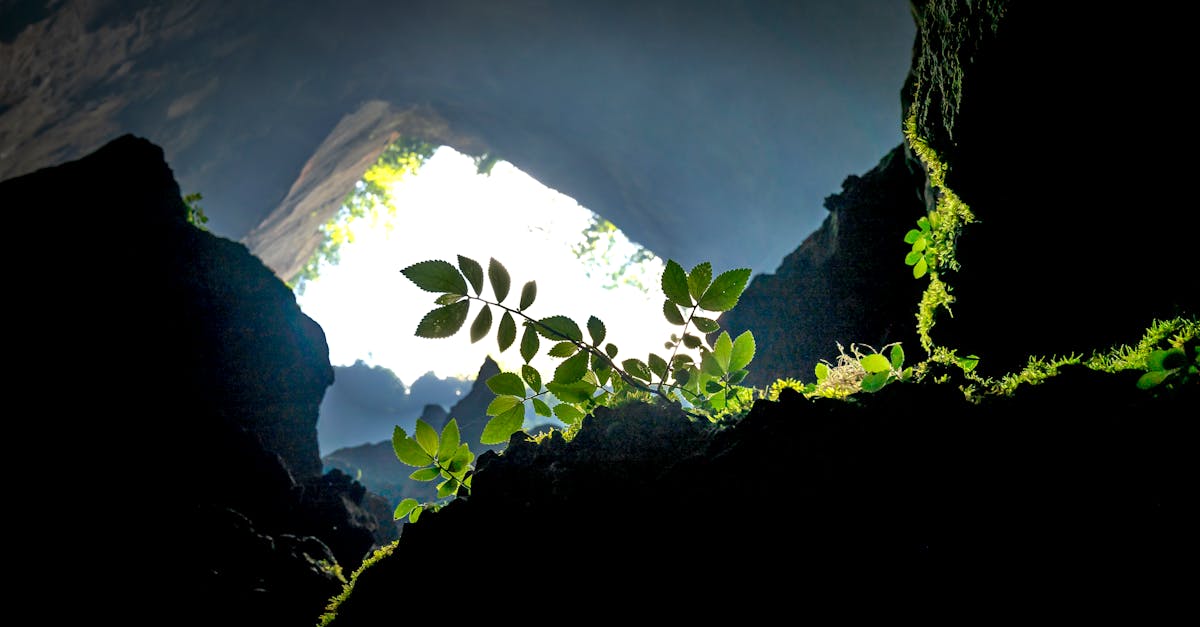 This photo was taken by Quang Nguyen Vinh on Pexels.
Tracing the Romantic Trails of the Harz National Park
Embark on a journey through mist-shrouded valleys and ancient forests where the air hums with the echoes of German folklore, for the Harz National Park is the very heart of Romanticism in Germany. As you wander along the well-marked trails that wind past the Brocken, the region's highest peak shrouded in legend as the meeting place of witches and wizards, you will find yourself stepping directly into the pages of Goethe's Faust and the Brothers Grimm's fairy tales. The dense canopy of beech and spruce trees creates a cathedral-like atmosphere, perfect for those seeking to trace the footsteps of 19th-century poets who found their greatest inspiration in these rugged landscapes, while the silence of the forest is occasionally broken only by the distant call of an owl or the rustling of red deer.
Beyond the mythical allure, these romantic trails offer a profound connection to the region's industrial heritage, inviting hikers to explore the remnants of centuries-old mining operations that once thrived here. Along your path, you might encounter the ruins of old water wheels and narrow-gauge railways, which now serve as living monuments to the resilience of the miners who carved out their livelihood from the mountain's rich veins of silver and copper. Whether you are trekking the historic Rammelsberg route or following the winding paths of the Brocken Railway, each step reveals a unique blend of natural beauty and cultural depth, making the Harz not just a destination for physical adventure, but a timeless narrative of human spirit intertwined with nature's grandeur.
 This photo was taken by Alexander Wark Feeney on Pexels.