The History Behind the Berlin Wall: A Walking Tour Guide
 This photo was taken by Erik Mclean on Pexels.
Welcome to Berlin, a city where the past is not just remembered but felt in every cobblestone and shadow. While today's vibrant streets buzz with culture, music, and unity, they once ran through the heart of one of the most powerful symbols of the 20th century: the Berlin Wall. In this walking tour, we will journey back in time to explore the deep roots of the Cold War division that split families and defined an era. We will uncover the harrowing stories of those who dared to cross the wire, seeking freedom against impossible odds, before celebrating the miraculous moment when the barrier crumbled without a single shot fired. Get ready to walk through history, understand the human spirit behind the concrete, and witness how peace eventually reclaimed this iconic landmark.
The Division: From Post-War Tensions to the Concrete Barrier
Following the devastation of World War II, Berlin found itself uniquely divided into four occupation zones controlled by the Allied powers: the United States, Great Britain, France, and the Soviet Union. As ideological tensions escalated into the Cold War, a stark line emerged between the democratic West and the communist East, culminating in the formation of two separate states in 1949. The situation became increasingly volatile for ordinary citizens, with millions fleeing from the authoritarian regime of the German Democratic Republic (GDR) to the relative freedom of West Berlin, creating a demographic crisis that threatened the stability of the new socialist state.In response to this massive exodus, on the night of August 12, 1961, the GDR government began constructing a physical barrier to seal off its territory, an act that would become the most potent symbol of the Iron Curtain. What started as barbed wire and hastily erected fences rapidly evolved into a formidable concrete wall stretching 155 kilometers around West Berlin, complete with watchtowers, anti-vehicle trenches, and the infamous "death strip." For nearly three decades, this structure not only physically separated families and friends but also stood as a grim reminder of the deep political divide that defined Europe until the historic fall of the Wall in November 1989.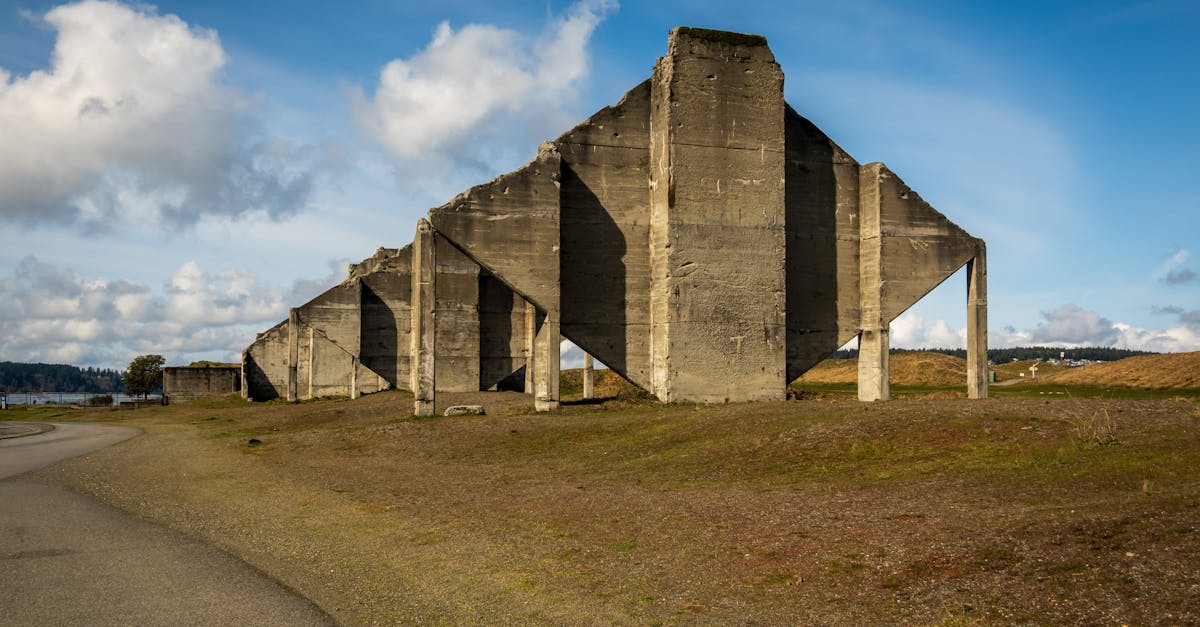 This photo was taken by William Jacobs on Pexels.
Life Behind the Wire: Stories of Escape and Survival
Life behind the Iron Curtain was defined by a constant, suffocating tension where every shadow could hide an informant and every whispered word might lead to imprisonment. For families separated overnight, the Wall became a brutal barrier that turned neighbors into strangers and dreams into distant memories, forcing residents to live in a state of perpetual fear under the watchful eyes of the Stasi secret police. Yet, within these oppressive confines, a resilient spirit emerged as ordinary citizens devised ingenious, often desperate plans to reclaim their freedom, transforming backyards, sewers, and even homemade hot air balloons into lifelines toward a world they had been told did not exist.
The stories of escape are as varied as they are harrowing, ranging from the audacious tunnel networks dug beneath the city streets to the tragic attempts involving makeshift rafts on the Spree River or the daring drives through checkpoint Charlie. These narratives of survival, often shared by former East Germans during our walking tour, reveal the immense courage required to gamble everything for a chance at liberty, reminding us that the Wall was not just a concrete structure but a psychological fortress that took decades to dismantle. As we walk past the preserved sections today, we honor those who risked their lives to break free, ensuring their silent struggles remain a vital part of Berlin's living history.
 This photo was taken by Darksight Image on Pexels.
The Fall: The Peaceful Revolution and Reunification
As you wander through the quiet streets of East Berlin, it is impossible to ignore the profound silence that once surrounded the Wall, a silence shattered in the autumn of 1989. This period, known as the Peaceful Revolution, began with small, courageous gatherings at Nikolaikirche where citizens demanded freedom and reform, quickly swelling into massive demonstrations along the Stasi's former headquarters. The atmosphere shifted from tension to euphoria on November 9th when an accidental press conference announcement led thousands to gather at checkpoints, eventually forcing border guards to open the gates without orders, allowing Germans to reunite their families overnight in a historic moment of unity that echoed across the world.
The weeks following the fall of the Wall marked not just an end to division but the beginning of a complex journey toward full reunification, officially achieved on October 3, 1990. As you trace the path of the former death strip today, now transformed into green parks and cycling paths like the East Side Gallery, you are walking through a landscape that has been meticulously rebuilt yet retains its scars as powerful reminders of the past. This era reshaped Germany's identity, turning a divided city into a vibrant global metropolis where history is honored through memorials and museums, inviting visitors to reflect on the resilience of ordinary people who changed the course of history through peaceful protest.
This photo was taken by Erik Mclean on Pexels.