The History Behind the Berlin Wall and Reunification
 This photo was taken by Travel with Lenses on Pexels.
Welcome, travelers! As we explore the vibrant streets of modern Berlin, it is impossible to ignore the profound layers of history that shape this dynamic city. Today, we embark on a journey back in time to understand one of the most significant chapters of the 20th century: the story of the Berlin Wall and the miraculous path to reunification. From the stark reality of a divided metropolis to the emotional tales of those who lived under the shadow of the Iron Curtain, and finally to the jubilant night when the barrier fell, this post will guide you through the events that transformed Germany forever. Whether you are standing at Checkpoint Charlie or walking along the East Side Gallery, let us uncover the deep historical roots behind these iconic landmarks.
The Division: How the Wall Split a City and a Nation
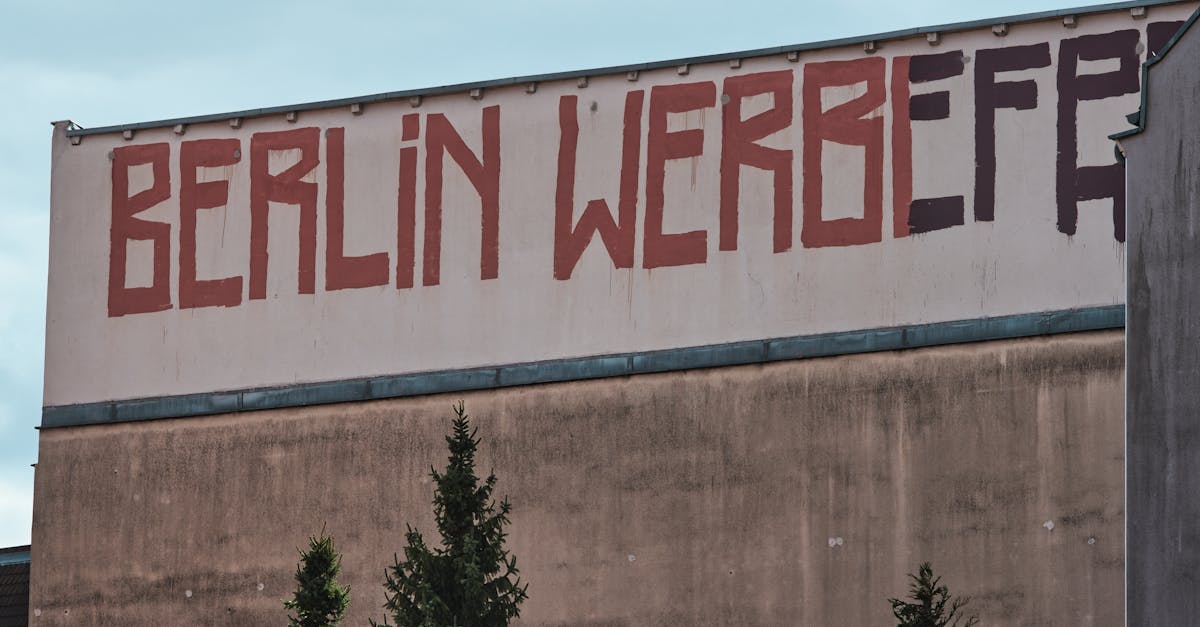
The Berlin Wall, erected in 1961, stands as the most potent symbol of the Cold War's ideological divide, physically and emotionally severing East from West not just within a city but across an entire nation. For nearly three decades, this concrete barrier transformed Berlin into a ghostly frontier where families were torn apart overnight, with guards on watch towers ordered to shoot anyone attempting to cross the "death strip" that separated the democratic Federal Republic of Germany from the communist German Democratic Republic. Walking along the preserved sections today, such as at the East Side Gallery or near Bernauer Straße, visitors can still feel the weight of that era, witnessing how a simple line on a map dictated lives, restricted movement, and turned a vibrant, interconnected metropolis into two isolated worlds defined by opposing political systems.
However, the story of the wall is also one of resilience and ultimate triumph, culminating in the historic events of November 9, 1989, when falling borders sparked a wave of euphoria that led to its physical dismantling. The peaceful revolution that swept through East Germany demonstrated the unyielding desire for freedom, prompting the gradual collapse of the Iron Curtain and paving the way for German reunification on October 3, 1990. This monumental shift did more than just join two states; it healed a deep national wound, allowing former adversaries to rebuild a unified Germany that now serves as a beacon of democracy and stability in the heart of Europe, reminding all who visit that even the most imposing barriers can eventually crumble under the power of human hope.
 This photo was taken by Matej on Pexels.
Life Behind the Iron Curtain: Stories from the Border
Walking along the former border zone today, often marked by the "Berlin Wall Trail" or preserved sections like at Bernauer Straße, one can almost hear the echoes of a divided world where families were torn apart and dreams were silenced. The stories here are not just about concrete and barbed wire; they are deeply personal tales of escape attempts through secret tunnels beneath the streets, neighbors who whispered to each other across a no-man's-land, and the harrowing moments when the Wall was finally breached in November 1989. As you explore these sites, you will encounter testimonies from those who lived under constant surveillance, describing the fear that permeated daily life behind the Iron Curtain and the sheer resilience required to maintain hope in an era defined by political oppression.
Yet, the narrative does not end with the fall of the Wall; it continues into the complex and often bittersweet process of reunification that followed. This period transformed the landscape from a scarred frontier into a vibrant symbol of freedom, yet it also left deep scars on the social fabric, as East Germans navigated a sudden shift from a planned economy to a capitalist system overnight. Many locals still share poignant memories of the "Wende," or turning point, recounting how strangers became friends overnight while grappling with the loss of familiar structures and the daunting challenge of building a new identity together. Visiting these areas offers a unique perspective on how Germany has woven these disparate histories into a single, resilient tapestry, reminding visitors that true unity is an ongoing journey rather than a finished destination.
 This photo was taken by Erik Mclean on Pexels.
The Fall of 1989: The Road to Reunification
The autumn of 1989 marked a pivotal turning point in modern European history, as the Iron Curtain began to crumble under the weight of peaceful protest and political reform. Across East Germany, thousands gathered weekly for the "Monday Demonstrations" in Leipzig and other cities, chanting "Wir sind das Volk" (We are the people) to demand freedom of travel and democratic rights. The pressure mounted relentlessly throughout September and October, leading to the eventual resignation of hardline leaders and the opening of border crossings on November 9th. What began as a series of organized vigils quickly transformed into an unprecedented celebration when citizens from both sides of Berlin rushed to tear down the physical and ideological barriers that had divided their city for nearly three decades.
This historic momentum accelerated rapidly through the winter and spring of 1990, culminating in the formal reunification of Germany on October 3rd, now celebrated annually as the Day of German Unity. The road to reunification was not merely about removing the concrete slabs of the Wall but also involved complex negotiations regarding economic integration, legal systems, and the future status of the former East German states within the Federal Republic. For tourists visiting Berlin today, walking along the East Side Gallery or standing at Checkpoint Charlie offers a tangible connection to this transformative era, reminding visitors how the collective courage of ordinary citizens reshaped the map of Europe and restored a nation's unity after years of Cold War division.
 This photo was taken by Erik Mclean on Pexels.