The History of the Berlin Wall: Museums and Memorials
 This photo was taken by Erik Mclean on Pexels.
The Rise and Fall of the Concrete Curtain
The so-called "Concrete Curtain," a grim nickname for the Berlin Wall, emerged from the ashes of World War II as the physical manifestation of the Iron Curtain that divided Europe into opposing ideological spheres. Erected in 1961 by the German Democratic Republic (GDR) to halt the exodus of its citizens to the West, this fortification evolved from simple barbed wire into a complex system of watchtowers, anti-vehicle trenches, and high-security concrete barriers stretching over 150 kilometers around West Berlin. For nearly three decades, it stood as an impassable symbol of oppression, separating families and stifling freedom, while the world watched in horror as desperate attempts to cross resulted in countless deaths at the hands of border guards.
The fall of this imposing structure began on November 9, 1989, amidst a wave of peaceful protests and political upheaval that swept through Eastern Europe, leading to the unexpected opening of the borders and the eventual dismantling of the wall. While the physical barrier was largely removed within a year, leaving behind only fragmented sections like the East Side Gallery as open-air museums, the psychological scars and historical memory remain deeply embedded in Germany's collective consciousness. Today, these remnants serve not just as monuments to division, but as powerful educational sites where visitors can reflect on the resilience of the human spirit and the profound impact of one man's decision to reunite a city torn apart by history.
 This photo was taken by Alexandra Lavizzari on Pexels.
Top Museums to Explore Berlin's Divided Past
Begin your journey through Berlin's fractured history at the Berlin Wall Memorial on Bernauer Straße, the most significant and comprehensive site dedicated to the division of the city. Here, visitors can walk along the preserved stretch of the wall, explore the Chapel of Reconciliation built on the site of a destroyed church, and view the extensive documentation center that vividly illustrates the human stories behind the concrete barrier. This open-air museum offers a poignant glimpse into the lives of those who lived in the shadow of the Iron Curtain, featuring original watchtowers, the "death strip," and personal testimonies that bring the tragic reality of separation to life.
For a deeper dive into the political machinery and daily struggles of the Cold War era, a visit to the Topography of Terror is essential. Situated on the former grounds of the Gestapo and SS headquarters, this outdoor and indoor exhibition traces the development of National Socialism and its role in creating the conditions for the eventual division of Germany. Adjacent to this somber historical record, the Checkpoint Charlie Museum provides a unique perspective on the famous border crossing point, showcasing artifacts like escape vehicles and detailed accounts of daring escapes across the wall, offering an intimate look at the resilience and ingenuity of those who sought freedom during one of history's most tense geopolitical standoffs.
 This photo was taken by Junior Camargo on Pexels.
Memorials: Honoring Lives Lost at the Border
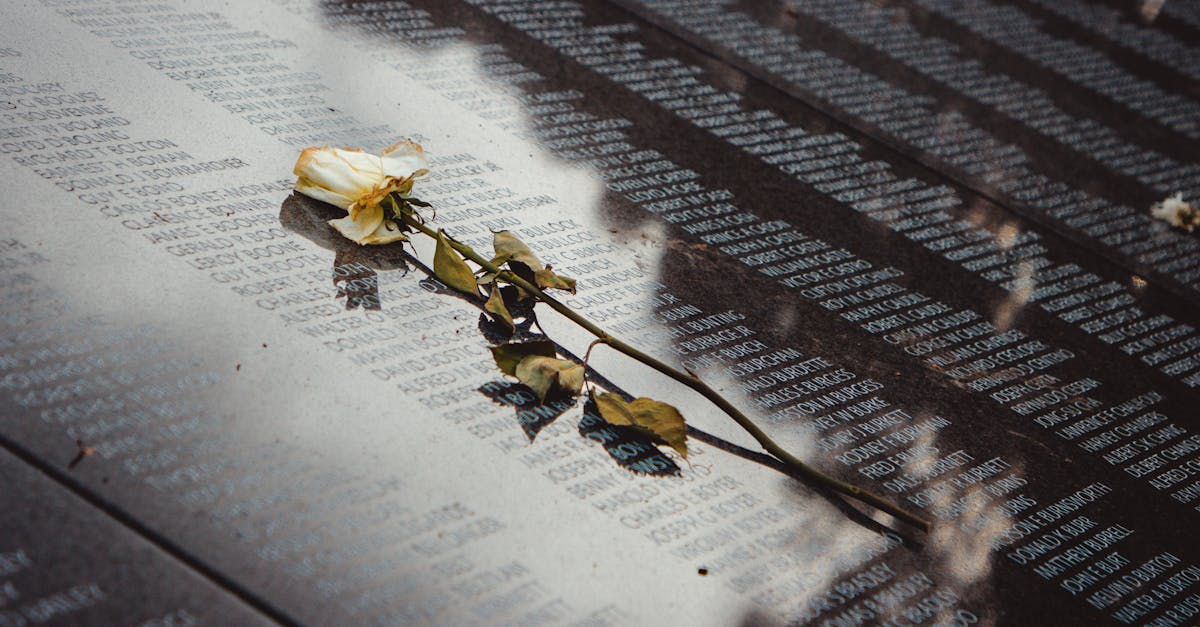
While the Berlin Wall Museum offers a comprehensive overview of the Cold War era, the most poignant encounters occur at the open-air memorials that mark where the concrete barrier once severed families and dreams. The Berlin Wall Memorial at Bernauer Straße stands as Germany's central site of remembrance, preserving the original stretch of the death strip alongside the Chapel of Reconciliation and an observation deck overlooking the former border zone. Here, visitors can walk along the preserved "death strip" and see the iconic documentation center, which not only honors those who lost their lives attempting to cross but also serves as a stark reminder of the human cost of division, turning a landscape of fear into a place of solemn reflection and education.
Beyond the capital, smaller yet equally powerful sites like the Topography of Terror and various local memorials scattered across the city provide intimate glimpses into the tragedy of the border regime. These locations often feature haunting artifacts such as rusted watchtowers, remnants of barbed wire, and personal testimonies from survivors and victims, ensuring that the stories of those who died are never forgotten. By walking these paths today, tourists do more than observe history; they engage with a living memorial that underscores the fragility of freedom and celebrates the resilience of a people who ultimately tore down the wall in 1989 to reunite their nation.
 This photo was taken by James L on Pexels.