The Industrial Heritage Trail: Discovering Germany's Ruhr Valley
 This photo was taken by Erik Mclean on Pexels.
From Coal Mines to Cultural Hubs: The Transformation of Zollverein
From Coal Mines to Cultural Hubs: The Transformation of Zollverein
Nestled in the heart of the Ruhr Valley, the Zollverein Coal Mine Industrial Complex stands as a monumental testament to Germany's industrial past, where once towering smokestacks belched black smoke and thousands of miners descended into the earth for their daily labor. Today, this UNESCO World Heritage site has undergone a breathtaking metamorphosis, shedding its gritty exterior to reveal a vibrant tapestry of modern culture and architecture. The iconic coking plant, with its distinctive red brickwork and steel framework, no longer produces coal but instead houses world-class museums, art galleries, and event spaces that celebrate human ingenuity and creativity.
The transformation of Zollverein is not merely about preservation; it is a dynamic reimagining of industrial heritage that invites visitors to walk through history while engaging with contemporary design. Formerly inaccessible mine shafts now host immersive exhibitions on the social history of the region, while the vast open courtyards have become lively gathering spots for festivals, markets, and cultural performances. As you stroll along the restored paths, you can see how the raw power of the industrial age has been channeled into a beacon of sustainability and community, proving that even the most heavy-handed symbols of industry can evolve into graceful hubs of artistic expression and tourism.
This photo was taken by Erik Mclean on Pexels.
Steel Giants and Green Parks: A Journey Through Industrial Landscapes
Step into a world where towering blast furnaces and rusting cranes stand as solemn monuments to the region's iron-clad past, transforming the Ruhr Valley from a grimy coal heartland into a vibrant cultural corridor. The journey begins at iconic sites like the Zollverein Coal Mine Industrial Complex in Essen, a UNESCO World Heritage site where you can descend into dark shafts or explore vast coking plants that once fueled Germany's economic miracle. As you wander through these industrial giants, the sheer scale of engineering marvels evokes a sense of awe, while guided tours reveal the human stories of laborers who built the nation, turning what was once an eyesore into a museum of innovation and resilience.
In a striking contrast to the heavy steel structures, the landscape has been reborn with lush greenery, proving that nature and industry can coexist beautifully. Former mining grounds have been meticulously landscaped into sprawling parks like the Landschaftspark Duisburg-Nord, where old gasometers now serve as diving platforms and cooling towers host climbing expeditions. Visitors can cycle along the Emscher River through this unique "green lung," discovering how ecological restoration projects have turned contaminated soil into thriving habitats for birds and wildlife, offering a serene escape that perfectly encapsulates the spirit of renewal defining modern Germany's industrial heritage trail.
 This photo was taken by Jean-Paul Wettstein on Pexels.
Art, Architecture, and Innovation: Modern Life in the Ruhr Valley
The Ruhr Valley has undergone a breathtaking transformation from a soot-stained industrial powerhouse into a vibrant cultural landscape where heavy industry meets contemporary art. Visitors can wander through the Zollverein Coal Mine Industrial Complex in Essen, a UNESCO World Heritage site where massive brick structures now house design studios and museums, or explore the Landschaftspark Duisburg-Nord, an old gasworks converted into a public park with climbing frames and diving platforms. This unique fusion of historical architecture and modern creativity is evident everywhere, from the striking glass facades of the Museum Kunstpalast to the artistic installations that adorn former factory chimneys, proving that the region's industrial bones have been perfectly repurposed for a new era of expression.
Beyond its aesthetic revival, the area stands as a global beacon of innovation, driven by a dynamic network of research institutes and technology parks that bridge the gap between traditional engineering and future technologies. Cities like Bochum and Dortmund are hubs for digital startups and green energy solutions, often collaborating with universities to turn old mining sites into centers for sustainable development and smart city initiatives. Whether you are attending a techno festival in a repurposed warehouse or touring a high-tech research facility, the Ruhr Valley offers a compelling narrative of resilience, showing how a region once defined by coal and steel is now leading the way in shaping Germany's modern, forward-thinking identity.
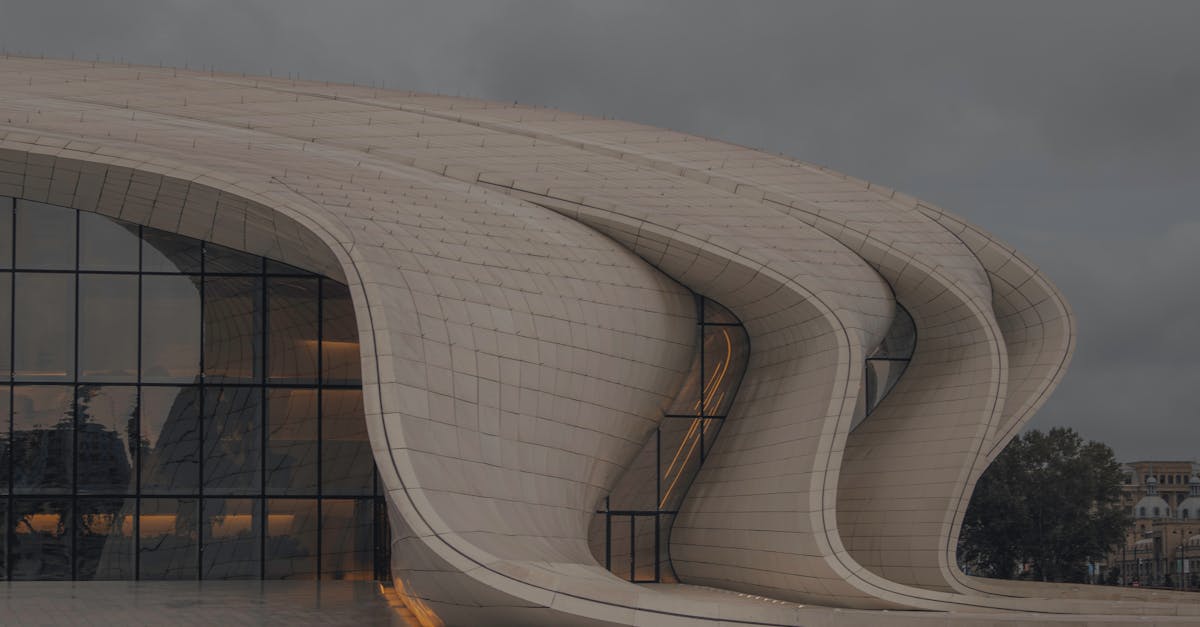 This photo was taken by Rahib Hamidov on Pexels.