The Industrial Heritage of the Ruhr Valley
 This photo was taken by Emmanuel Codden on Pexels.
Welcome to the heart of Germany's industrial past, a region where the clatter of machinery has been replaced by the hum of creativity and culture. The Ruhr Valley stands as a unique testament to human resilience, having transformed from the nation's coal and steel powerhouse into a vibrant landscape of innovation. In this journey through time, we will uncover how forgotten mining sites have evolved into cultural landmarks, explore the breathtaking architecture of the Zollverein UNESCO World Heritage Site, and discover how modern art and lush green spaces now define this dynamic metropolitan area. Get ready to experience a side of Germany that is as rich in history as it is in future potential.
This photo was taken by Emmanuel Codden on Pexels.
Welcome to the heart of Germany's industrial past, a region where the clatter of machinery has been replaced by the hum of creativity and culture. The Ruhr Valley stands as a unique testament to human resilience, having transformed from the nation's coal and steel powerhouse into a vibrant landscape of innovation. In this journey through time, we will uncover how forgotten mining sites have evolved into cultural landmarks, explore the breathtaking architecture of the Zollverein UNESCO World Heritage Site, and discover how modern art and lush green spaces now define this dynamic metropolitan area. Get ready to experience a side of Germany that is as rich in history as it is in future potential.
From Coal Mines to Cultural Landmarks
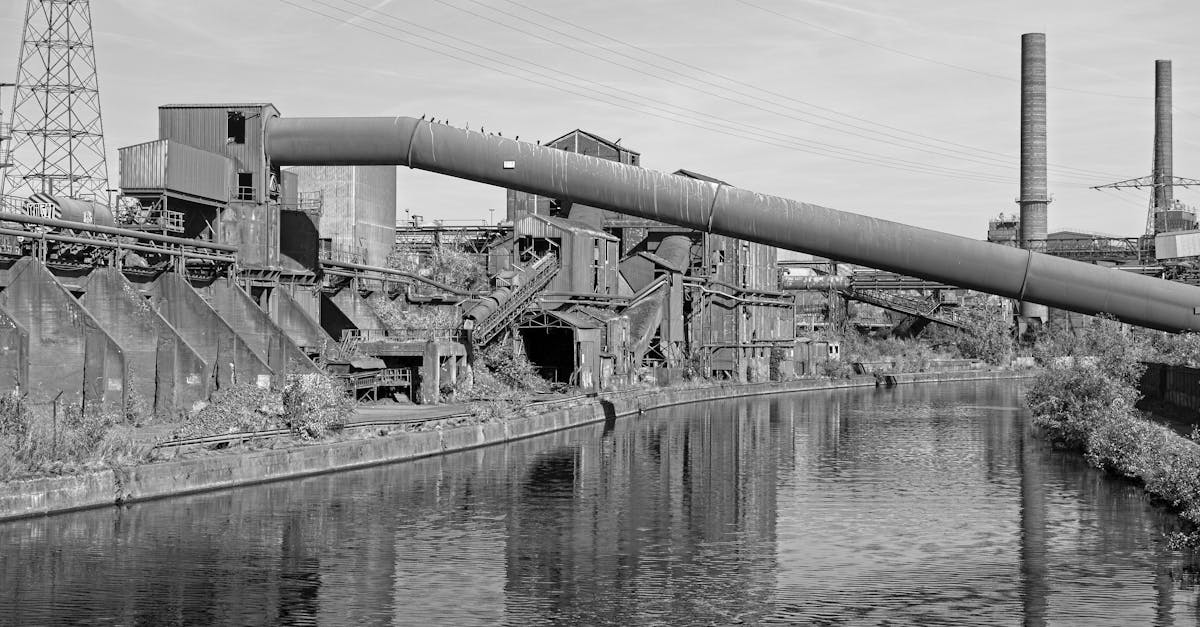
Once the beating heart of Germany's industrial might, the Ruhr Valley has undergone a remarkable transformation from a landscape dominated by black smoke and heavy industry into a vibrant region of cultural innovation. Visitors today can wander through the Zollverein Coal Mine Industrial Complex in Essen, a UNESCO World Heritage site where massive brick structures and towering cooling towers tell the story of over a century of coal mining and steel production. Rather than being left to decay, these iconic landmarks have been meticulously preserved and repurposed, offering guided tours that delve into the gritty history of the miners while showcasing how the area successfully pivoted towards art, design, and architecture.
The regeneration of this industrial powerhouse is perhaps best experienced at the Landschaftspark Duisburg-Nord, a breathtaking example of adaptive reuse where former gas tanks now serve as diving pools and blast furnaces have become viewing platforms for panoramic cityscapes. This unique fusion of historical preservation and modern creativity extends throughout the region, with old factories housing contemporary art galleries, concert halls, and museums that celebrate both the past and present. For tourists, exploring the Ruhr means walking through an open-air museum of engineering marvels, where the echoes of the past harmonize with the dynamic pulse of modern German culture.
 This photo was taken by Julien Goettelmann on Pexels.
Exploring the Zollverein UNESCO World Heritage Site
Step into the heart of Germany's industrial past at the Zollverein Coal Mine Industrial Complex in Essen, a masterpiece of modernist architecture that has been transformed from a working coal mine into a vibrant cultural hub. Designated as a UNESCO World Heritage Site, this sprawling complex is renowned for its striking red brick buildings and iconic coking plant tower, which stand as powerful symbols of the Ruhr Valley's economic boom. Visitors can wander through the preserved machinery, explore the underground tunnels on guided tours to understand the harsh realities of mining life, or simply enjoy the unique blend of industrial grit and contemporary design that defines the site today.
Beyond its historical significance, Zollverein serves as a dynamic center for art, culture, and innovation, proving that industrial heritage can be repurposed for the future. The former administration building now houses the German Design Museum, while the vast courtyards host festivals, concerts, and exhibitions that draw visitors from around the globe. Whether you are an architecture enthusiast marveling at the functional beauty of the 1930s structures or a history buff tracing the evolution of European industry, a walk through the illuminated nightscapes of Zollverein offers an unforgettable journey through time, celebrating the resilience and creativity of the Ruhr region.
 This photo was taken by Quang Nguyen Vinh on Pexels.
Industrial Art and Green Spaces in the Modern Ruhr
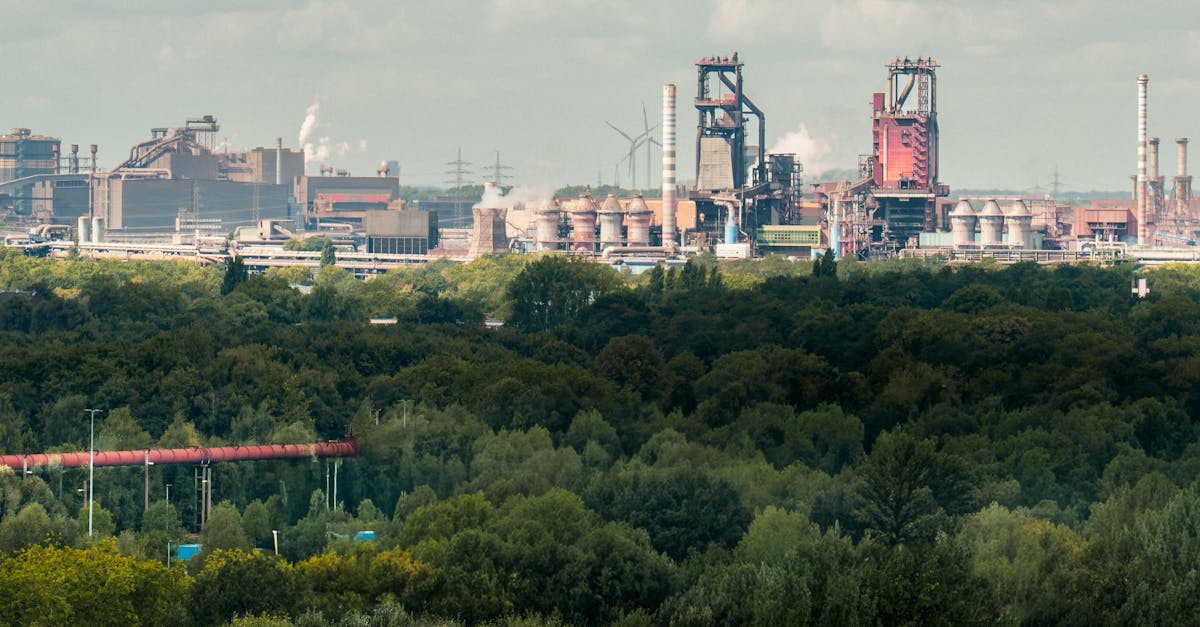
The transformation of the Ruhr Valley from a coal and steel powerhouse into a vibrant cultural landscape is nowhere more evident than in its unique fusion of industrial art and lush greenery. Former factory halls, such as those at Zollverein Coal Mine Industrial Complex, have been repurposed into world-class museums and galleries where towering blast furnaces stand alongside contemporary sculptures, creating a striking dialogue between heavy industry and modern creativity. Visitors can stroll through the Landschaftspark Duisburg-Nord, where rusted gasometers now host climbing walls and subterranean diving pools, proving that the region's gritty past has been ingeniously woven into its artistic present.
Complementing this architectural renaissance is the extensive network of green spaces that interweave the urban fabric, turning what was once an industrial scar into one of Europe's most accessible recreational areas. The Emscher Landscape Park stretches over 180 kilometers, connecting former mining sites with new parks, walking trails, and waterways that encourage cycling and hiking amidst nature. This deliberate integration of ecology and heritage allows tourists to experience a cityscape where the sky is clear, trees line the old railway tracks, and the sounds of industry have been replaced by the rustling of leaves and the laughter of families enjoying the revitalized outdoors.
 This photo was taken by Jakub Zerdzicki on Pexels.