The Magic of Christmas Markets: When and Where to Go
 This photo was taken by Erik Mclean on Pexels.
As the crisp autumn air gives way to the first hints of winter, a unique warmth begins to spread across Germany. It is the season when historic town squares transform into enchanting wonderlands, illuminated by thousands of twinkling lights and filled with the intoxicating aroma of glühwein and roasted chestnuts. Whether you are seeking the fairytale charm of medieval architecture or simply the joy of reconnecting with loved ones over seasonal treats, Germany's Christmas markets offer an experience unlike any other in the world.
In this guide, we will explore exactly when to plan your visit to catch the festive spirit at its peak, highlight five unmissable markets that showcase the country's diverse regional character, and share the local traditions and delicious culinary delights that make these gatherings truly magical. Get ready to pack your coat and prepare for a journey through the most wonderful time of year in the heart of Europe.
The Best Time to Experience Germany's Festive Spirit
While the festive lights and mulled wine aroma can be found in Germany from late November through December, the absolute peak of the Christmas spirit usually arrives during the week leading up to the first Sunday of Advent. This is when the atmosphere transforms into a true winter wonderland, with markets like those in Nuremberg's Christkindlesmarkt or Dresden's Striezelmarkt fully illuminated and bustling with traditional craft stalls. Visiting during this window ensures you experience the full rhythm of local celebrations, including nightly carol singing, children's puppet shows, and the iconic "Glühwein" pouring that warms your hands against the crisp German air.
If your schedule allows for flexibility, consider timing your trip around the major cities' market openings, which often begin on the Friday before the first Sunday of Advent, to avoid the overwhelming crowds that descend just before Christmas Eve. For a slightly more intimate experience, visiting smaller towns in regions like Bavaria or the Black Forest during the first half of December offers a charming alternative where you can enjoy the historic architecture and artisanal goods without the rush. Remember that many markets close by December 23rd or 24th, so planning your visit early in the season guarantees you won't miss out on the magic before the holiday silence settles over the country.
 This photo was taken by Holger Rockenmayer on Pexels.
Top 5 Must-Visit Christmas Markets Across the Country
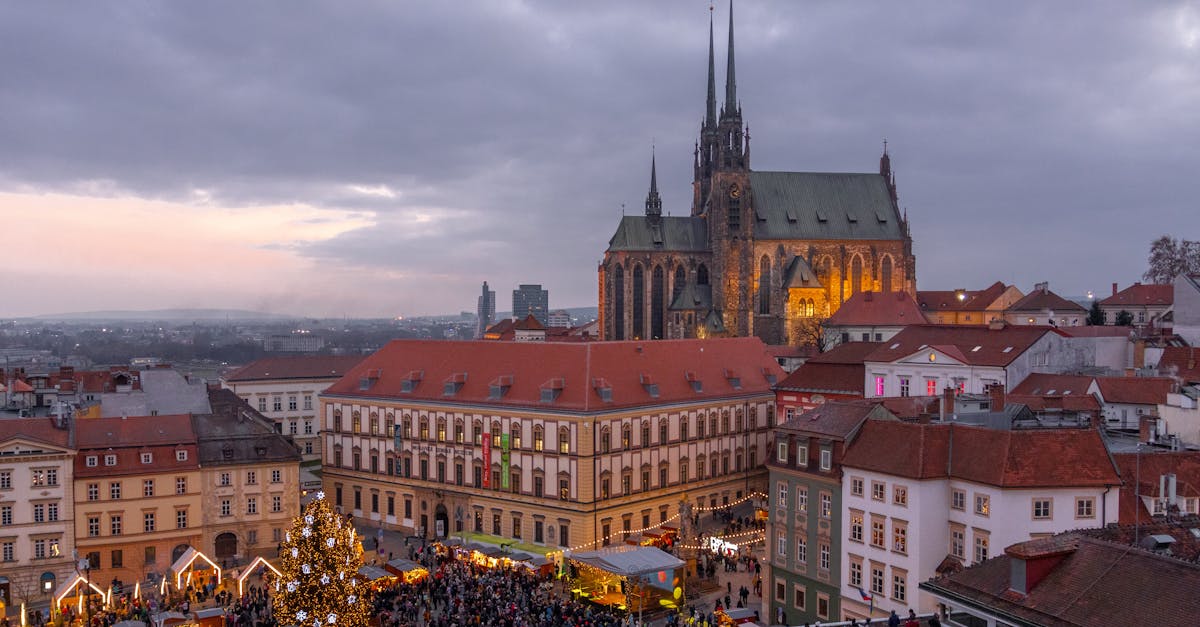
Germany's festive season truly comes alive through its enchanting Christmas markets, which transform historic town squares into winter wonderlands from late November until just before Christmas. For a quintessential experience, the Nuremberg Christkindlesmarkt is an absolute must-visit, renowned for its centuries-old traditions and the sweet aroma of Lebkuchen gingerbread wafting through the air. Equally captivating is the Dresden Striezelmarkt, Germany's oldest, where you can marvel at the giant wooden pyramid and savor the famous Stollen fruitcake amidst Gothic architecture that feels straight out of a fairy tale.
For those seeking a blend of medieval charm and modern magic, the Cologne Cathedral Market offers breathtaking views of the twin spires against a backdrop of twinkling lights and mulled wine stands. If you prefer a fairytale setting, the market in Rothenburg ob der Tauber transports visitors back to the Middle Ages with its cobblestone streets and half-timbered houses glowing under snow or string lights. Finally, no list would be complete without mentioning the Berlin Gendarmenmarkt, often hailed as the most beautiful in the city, where two majestic cathedrals frame a sophisticated atmosphere perfect for enjoying artisanal crafts and seasonal delicacies.
 This photo was taken by Vish Pix on Pexels.
Local Traditions and Seasonal Delights You Can't Miss
Beyond the twinkling lights and steaming mulled wine, Germany's Christmas markets offer a deep dive into centuries-old customs that bring communities together during the darkest time of year. You will often find families gathering around wooden stalls to watch artisans hand-carve nutcrackers or blow intricate glass ornaments, skills passed down through generations. In cities like Dresden, the Striezelmarkt preserves the tradition of baking the famous "Stollen" fruit bread, while in Rothenburg ob der Tauber, the medieval atmosphere is enhanced by costumed storytellers who recount local folklore about St. Nicholas and the Krampus. These living traditions transform a simple shopping trip into an immersive cultural experience, where every handshake with a vendor and every taste of a regional specialty connects you to the soul of German heritage.As winter settles over the landscape, the culinary offerings at these markets become a seasonal delight that warms both body and spirit. The aroma of roasted almonds, cinnamon-spiced apples, and savory bratwurst fills the crisp air, creating a sensory journey unique to the season. Be sure to try the Bavarian "Lebkuchen" from Nuremberg, known for its spicy honey flavor, or sample the hearty "Eisbein" (pork knuckle) served in Berlin's festive squares. For something truly special, visit the markets in late November or early December to catch the opening ceremonies featuring choirs singing traditional carols under the stars, marking the official start of the holiday season before the crowds arrive. This photo was taken by Gleb Zhizhikin on Pexels.