The Medieval Old Towns of Rothenburg ob der Tauber and Quedlinburg
 This photo was taken by Sabine Freiberger on Pexels.
Welcome, fellow travelers, to a journey through the heart of Germany's most enchanting history. Today, we embark on an adventure to two of our nation's most captivating medieval gems: Rothenburg ob der Tauber and Quedlinburg. These ancient towns offer more than just picturesque architecture; they are living museums where cobblestone streets whisper tales of knights, merchants, and emperors from centuries past. In this post, we will stroll through the fairy-tale alleys of Rothenburg, explore the UNESCO-listed mosaic of half-timbered houses in Quedlinburg nestled in the Harz mountains, and savor the unique culinary delights and festive traditions that bring both the Tauber and Saale valleys to life. Get ready to step back in time as we uncover the magic hidden within these well-preserved old towns.
A Walk Through Time: Rothenburg's Fairy-Tale Streets
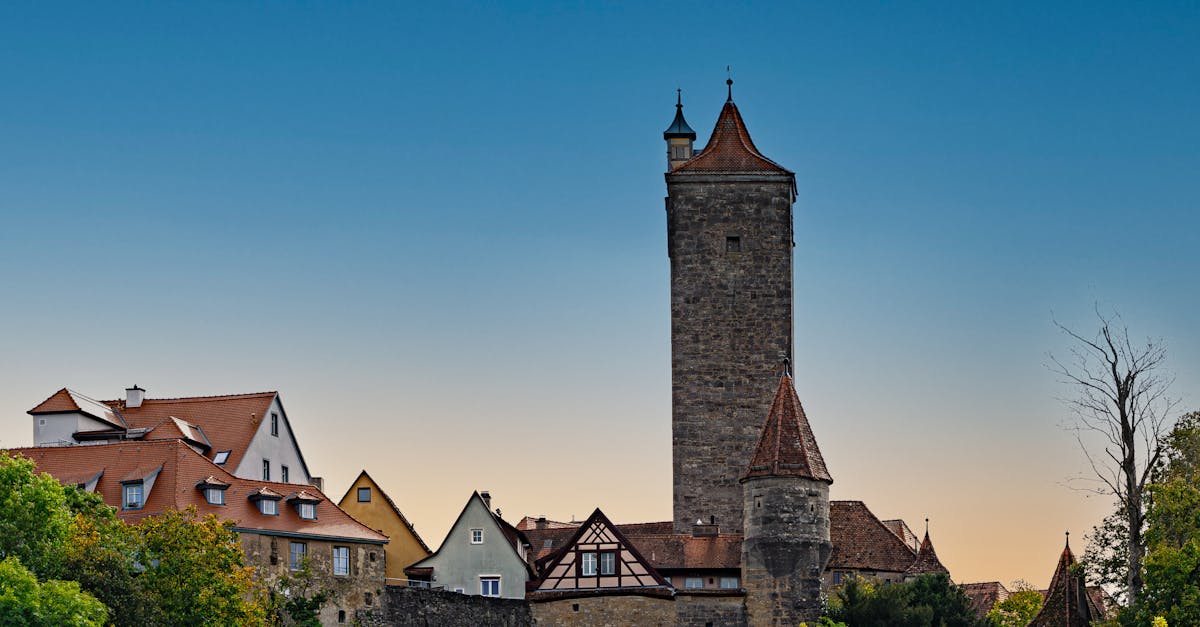
Stepping into Rothenburg ob der Tauber feels less like a modern visit and more like a deliberate journey back to the 14th century, where cobblestone streets wind past half-timbered houses painted in warm ochres, deep reds, and faded greens. As you wander through the narrow alleys of the Old Town, the iconic Plönlein square offers a postcard-perfect view of the Sieber Tower and the charming St. James's Church, creating an atmosphere so enchanting it seems straight out of a Brothers Grimm fairy tale. The city walls, which still encircle the historic center, invite visitors to take a twilight stroll along their ramparts, offering panoramic views of the tiled roofs that have remained largely unchanged for centuries, while the scent of fresh gingerbread and roasting coffee beans drifts from the quaint cafes tucked beneath the eaves.
While Quedlinburg shares this timeless medieval charm with its UNESCO-listed timber-framed architecture spanning over 1,300 years, Rothenburg offers a uniquely preserved narrative of daily life during the Holy Roman Empire. Here, every corner reveals a story, from the secret courtyards hidden behind heavy wooden doors to the dramatic history etched into the town hall's Gothic facade. Whether you are exploring the bustling market square filled with local artisans or simply getting lost in the labyrinthine paths that lead to quiet riverbanks, Rothenburg invites you to slow down and immerse yourself in a world where time seems to stand still, making it the quintessential destination for anyone seeking the authentic magic of Germany's medieval past.
 This photo was taken by 0xd1ma on Pexels.
UNESCO Heritage in the Harz: The Mosaic of Quedlinburg
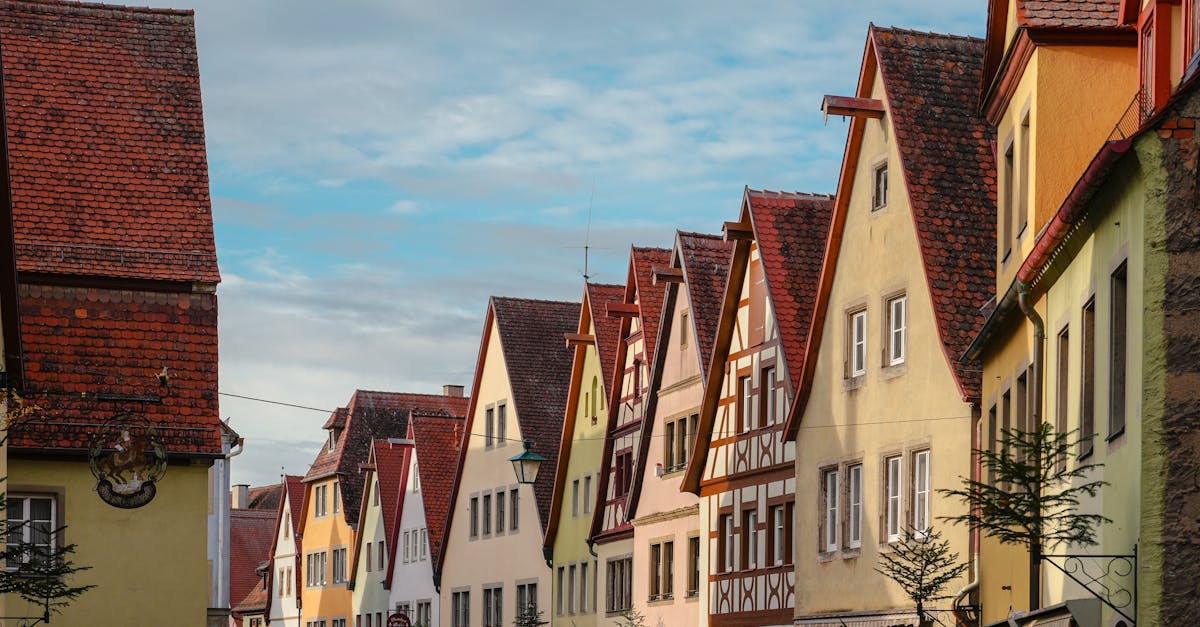
Nestled at the foot of the Harz Mountains, Quedlinburg stands as a breathtaking testament to Germany's medieval past, earning its place as a UNESCO World Heritage site with its remarkably intact timber-framed architecture. The town boasts over 1,300 half-timbered houses spanning eight centuries, creating a vibrant mosaic of colors and styles that range from the sturdy Gothic foundations to the delicate Rococo facades added in later eras. Walking through the winding cobblestone streets feels like stepping back in time, where every corner reveals a new masterpiece of craftsmanship, from the intricate carvings on gables to the charming courtyards hidden behind high walls.
Beyond its architectural splendor, Quedlinburg offers a deep dive into history, anchored by the imposing Imperial Castle (Kaiserpfalz) perched atop Schlossberg, which once served as a royal residence for Holy Roman Emperors. This historic stronghold overlooks the town and houses the Treasury Museum, showcasing priceless artifacts including the legendary St. Servatius reliquary and the imperial crown jewels. Whether you are exploring the ancient crypts beneath the collegiate church or simply enjoying a leisurely stroll along the Neckar riverbanks, Quedlinburg provides an enchanting blend of cultural heritage and picturesque charm that makes it an essential stop on any journey through Germany's medieval old towns.
 This photo was taken by You Know What Blog on Pexels.
Culinary Delights and Festive Traditions Along the Tauber and Saale
Immerse yourself in the aromatic soul of Germany's medieval heartlands, where the culinary landscape along the Tauber and Saale rivers offers a true journey through time. In Rothenburg ob der Tauber, traditional taverns serve hearty Swabian specialties like Spätzle and Sauerbraten, often paired with local Riesling or the region's signature dark beer, while Quedlinburg invites you to savor its famous "Quedlinburger Bratwurst" amidst half-timbered courtyards. The flavors here are deeply rooted in history; imagine dining by candlelight on roasted goose during Advent markets that have thrived for centuries, or enjoying sweet treats like the delicate "Quedlinburger Stollen," a fruit bread steeped in tradition that perfectly complements the festive atmosphere of these charming towns.Beyond the plate, the culinary experience is inseparable from the vibrant traditions that animate these UNESCO World Heritage sites throughout the year. As autumn turns to winter, both towns transform into magical wonderlands where lantern parades light up cobblestone streets and choirs fill the air with carols echoing off ancient stone walls. You might witness the lively "Fasching" processions in Quedlinburg or join the bustling craft fairs in Rothenburg, where artisans demonstrate old-world skills alongside bakers preparing seasonal delicacies. These festivities are not merely performances but living continuations of medieval customs, offering visitors an authentic connection to the past while celebrating the enduring spirit of community and hospitality that defines life along the Tauber and Saale.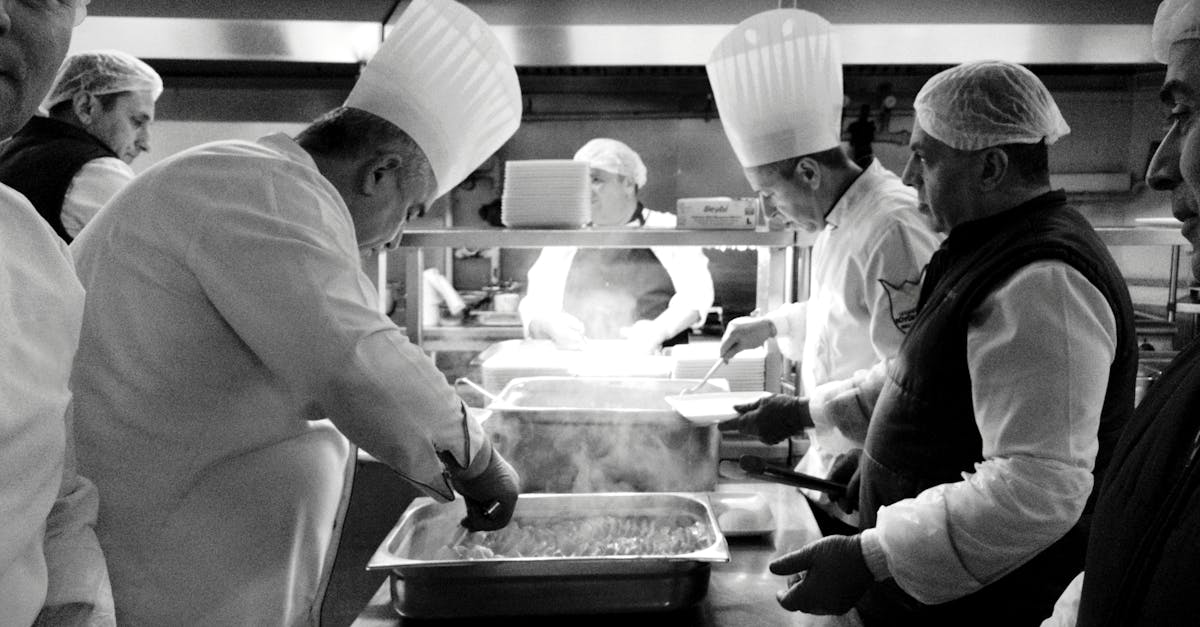 This photo was taken by Emir Bozkurt on Pexels.