The Moselle Valley: Wine Tasting Among Steep Vineyards
 This photo was taken by Erik Mclean on Pexels.
Welcome to the heart of Germany's wine culture, where the Moselle River carves a breathtaking path through rolling hills and ancient slate slopes. As you embark on this journey through one of Europe's most picturesque regions, prepare to be enchanted by vineyards that climb so steeply they seem to defy gravity. From the crisp, mineral-driven notes of world-renowned Riesling to the golden glow of sunset cruises past fairytale castles, the Moselle Valley offers an unforgettable blend of natural beauty, rich history, and exceptional flavors. Get ready to uncork the secrets of this legendary landscape, where every turn reveals a new story waiting to be tasted.
Winding Through the Steepest Vineyards in Europe
Nestled along the serpentine curves of the Mosel River, the vineyards of Germany's oldest wine region offer a breathtaking spectacle that defies conventional agriculture. Here, rows of Riesling vines cling precariously to slate slopes that can rise as steeply as 65 degrees, creating a dramatic mosaic of green against grey rock that has earned this area the title of home to some of the steepest vineyards in Europe. Navigating these terraced slopes is an adventure in itself, often requiring visitors to hike narrow paths or take a gentle boat cruise to truly appreciate how generations of vintners have tamed this rugged terrain to produce world-renowned wines with their distinctive mineral character.
The experience of wine tasting in such an extraordinary setting goes far beyond simply sampling a glass; it is an immersion into a landscape where every bottle tells a story of human perseverance and natural beauty. As you sit at a rustic winery terrace overlooking the river bend, sipping a crisp, aromatic Riesling warmed by the sun-baked slate soil, you gain a profound appreciation for the labor-intensive cultivation methods unique to this region. Whether you are exploring the charming villages of Bernkastel-Kues or Trittenheim, the combination of panoramic views, historic half-timbered houses, and exceptional local cuisine creates an unforgettable journey through the heart of German viticulture.
 This photo was taken by Haberdoedas Photography on Pexels.
A Sip of History: Discovering Local Riesling Varieties
As you navigate the sun-drenched slopes of the Moselle, where vineyards cling precariously to the river's edge like green tapestries, the local Riesling offers more than just a drink; it is a liquid chronicle of the region's geology and climate. These wines, renowned for their striking mineral backbone derived from slate soils, range from crisp, bone-dry Trocken styles that burst with notes of green apple and white peach to luscious sweet Auslese varieties that capture the essence of summer sunshine in every glass. Each bottle tells a story of generations of vintners who have mastered the art of cultivating grapes on steep inclines, ensuring that every sip reflects the unique microclimate and the centuries-old traditions passed down through families along the winding river.
Immersing yourself in this wine culture goes beyond simply tasting; it involves engaging with the Weinprobe, or wine tasting, often held in cozy, rustic cellars known as Kellereien tucked into the villages of Bernkastel-Kues or Cochem. Here, locals are eager to share their passion, guiding visitors through the subtle differences between vineyard sites and explaining how the cool nights of the valley preserve the grape's natural acidity while allowing sugars to develop. Whether you are pairing a glass of aged Riesling with traditional regional dishes like Steinpilzsuppe or simply savoring the view of the river from a terrace, the experience transforms a simple afternoon into a profound connection with the history and soul of Germany's most celebrated wine region.
 This photo was taken by Mike Norris on Pexels.
Sunset Cruises and Castle Tales Along the River
As the golden hour paints the steep, terraced vineyards in hues of amber and violet, there is no better way to experience the Moselle Valley than aboard a traditional wooden riverboat. Gliding silently along the winding waters of the Mosel River, these sunset cruises offer a unique perspective where the historic towns of Bernkastel-Kues or Cochem seem to float on the water's edge. The gentle breeze carries the scent of ripe grapes and damp earth, while the rhythmic creaking of the boat creates a tranquil atmosphere perfect for sipping a glass of crisp Riesling provided by your local guide. It is here, as the sun dips below the horizon, that you truly understand why this region has been celebrated for centuries as Germany's premier wine landscape.Beyond the shimmering water, the hillsides are dotted with fairy-tale castles that have stood guard over the valley for a millennium, each whispering tales of medieval knights, royal feasts, and ancient legends. As your boat passes beneath the imposing silhouette of Eltz Castle or the majestic Reichsburg in Cochem, your guide will regale you with stories of their turbulent pasts, from fiery sieges to romantic intrigues that shaped the region's history. These architectural marvels, often illuminated by the fading light, serve as dramatic backdrops to your evening journey, transforming a simple boat ride into an immersive voyage through time. Whether you are listening to the legend of the "White Lady" at Burg Eltz or imagining the bustling trade routes of the Middle Ages, the combination of scenic beauty and historical depth makes this cruise an unforgettable highlight of any German adventure.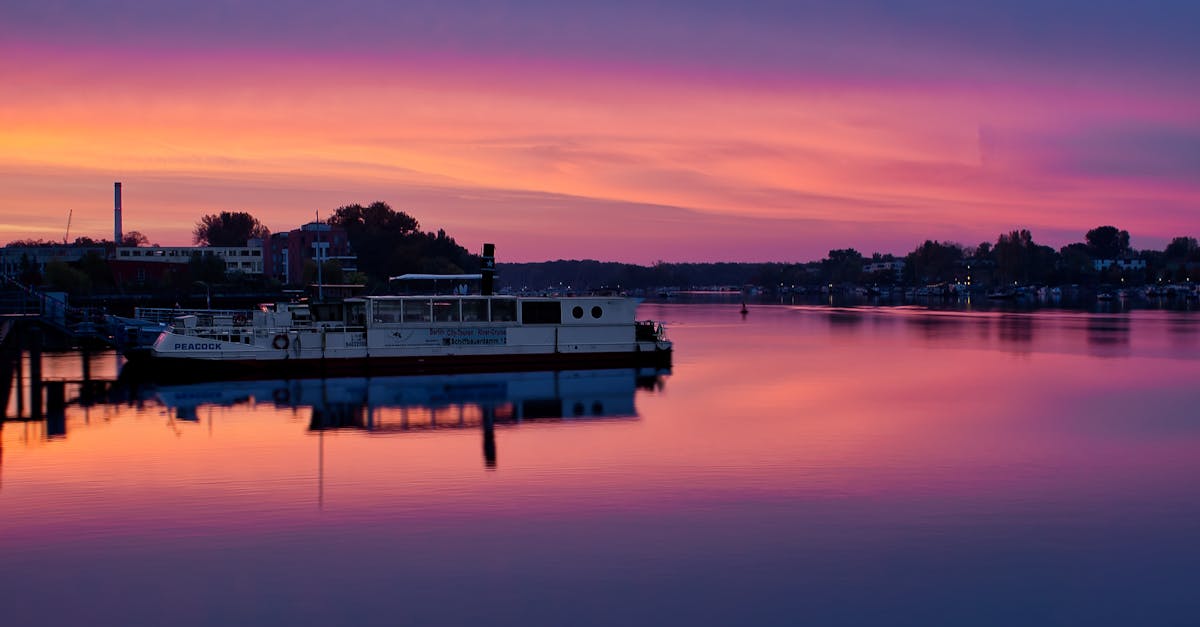 This photo was taken by Birka Ollyk on Pexels.