The Ultimate Guide to Germany's Romantic Road for First-Time Visitors
 This photo was taken by Esmerald Heqimaj on Pexels.
Welcome to the heart of Bavaria and Baden-Württemberg, where history whispers through cobblestone streets and rolling vineyards paint a picture-perfect landscape. If you are dreaming of a journey that feels like stepping into a storybook, look no further than Germany's Romantic Road. This legendary route stretches over 350 kilometers, connecting some of the most enchanting destinations in Europe, from the fairytale splendor of Neuschwanstein Castle to the charming half-timbered houses of Rothenburg ob der Tauber. Whether you are a history buff, a photography enthusiast, or simply seeking an unforgettable adventure, this guide is your essential companion. We will walk you through planning your perfect itinerary, reveal the hidden gems often missed by hurried travelers, and introduce you to the local culinary delights that make every stop on this road truly memorable. Get ready to discover why the Romantic Road remains one of the world's most beloved travel experiences.
Discovering the Fairy-Tale Castles and Medieval Towns
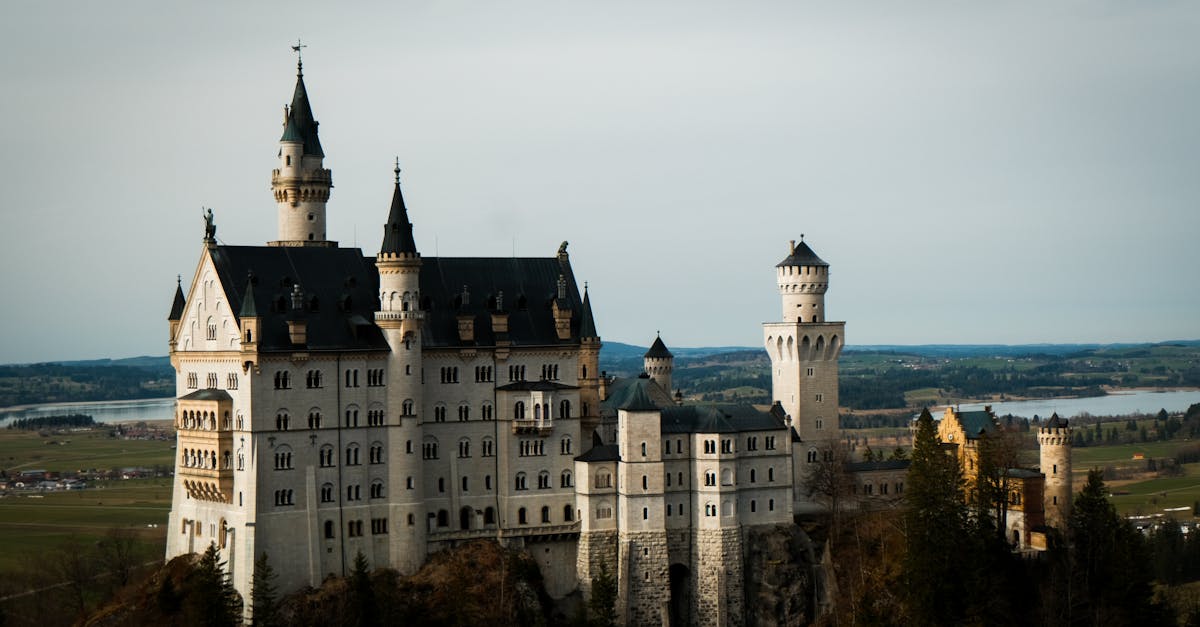
As you traverse the winding lanes of the Romantic Road, prepare to step into a living storybook where fairy-tale castles seem plucked directly from the pages of Grimm. The journey culminates in breathtaking highlights like Neuschwanstein Castle, often called the "Swan King's" fairytale fortress, whose turrets and limestone cliffs rise dramatically against the Bavarian Alps. Just as enchanting are the hilltop ruins of Hohenschwangau and the well-preserved medieval architecture of Füssen, offering visitors a chance to wander through history while enjoying panoramic views that have inspired poets and painters for centuries.
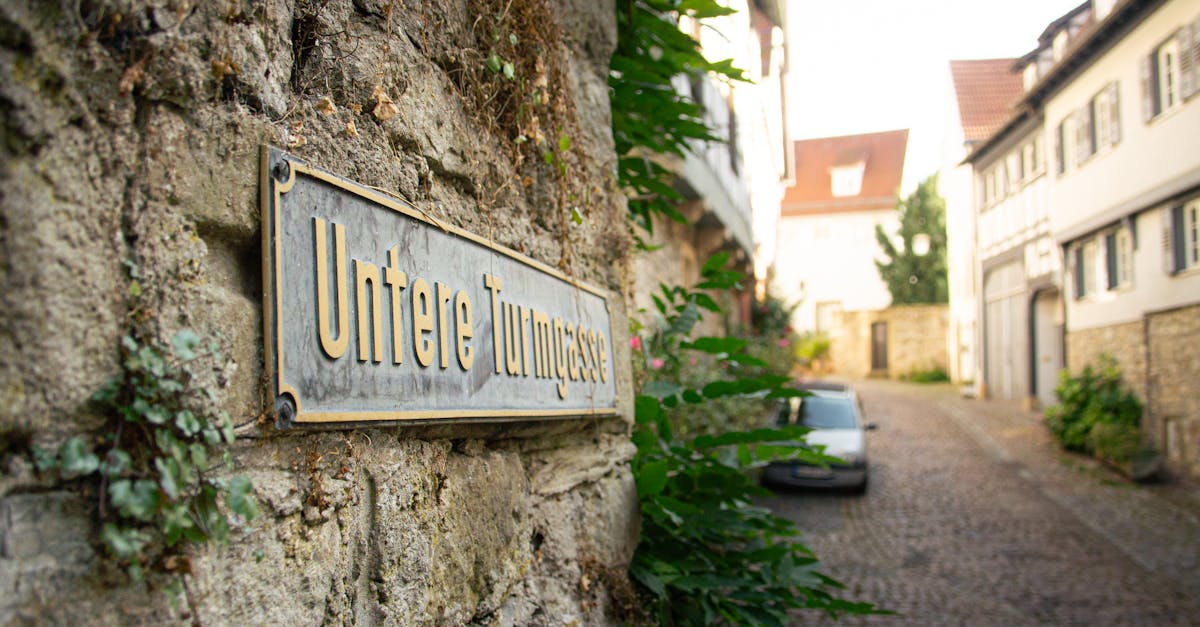
Beyond the grand castles, the true magic of this route lies in its meticulously preserved medieval towns that feel frozen in time. Wander through the cobblestone streets of Rothenburg ob der Tauber, where half-timbered houses painted in warm hues line narrow alleys, or explore the fortified walls of Dinkelsbühl, which still encircle the historic center today. Each town offers a unique glimpse into Germany's past, featuring charming market squares, ancient city gates, and local artisans selling traditional crafts, creating an immersive atmosphere that perfectly captures the essence of a bygone era for first-time travelers.
 This photo was taken by Utkarsh Malviya on Pexels.
Planning Your Perfect Itinerary: A Step-by-Step Journey
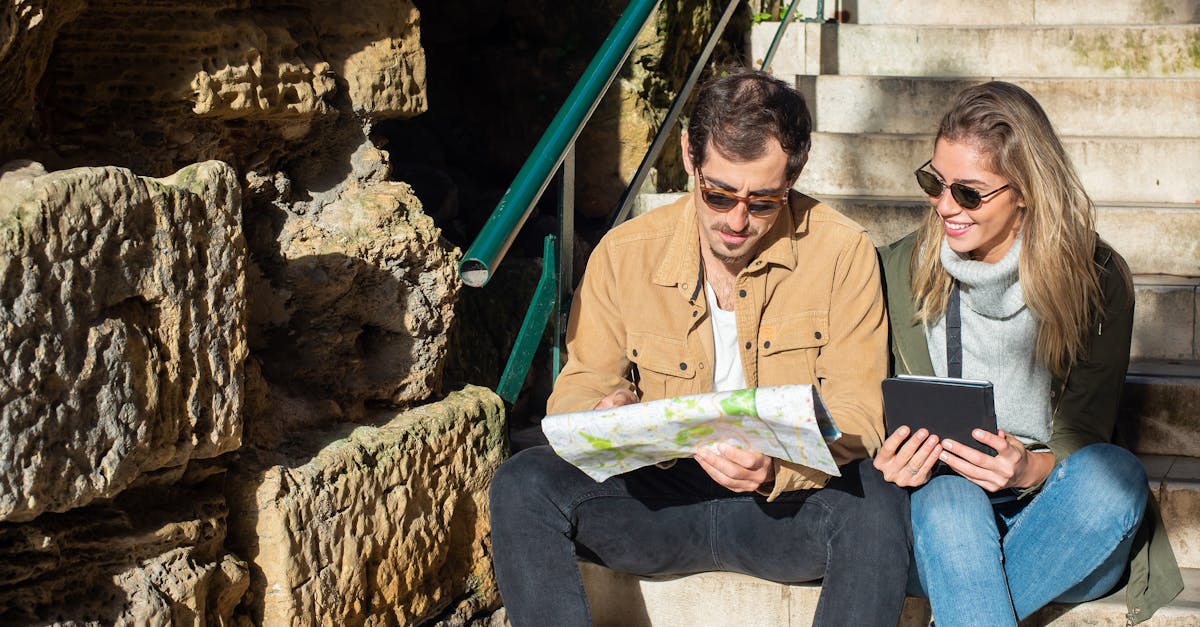
Begin your adventure on Germany's Romantic Road by mapping out a logical flow that balances iconic sights with hidden gems, ideally starting in Würzburg to immerse yourself in the region's Baroque history before heading north. Since this 350-kilometer route connects over 70 picturesque towns, it is crucial to decide whether you prefer a leisurely two-week drive or a focused five-day sprint; most first-time visitors find that dedicating three to four days allows enough time to explore key stops like Rothenburg ob der Tauber and Dinkelsbühl without feeling rushed. Don't forget to check seasonal opening hours for local museums and castles, as many smaller attractions operate on reduced schedules outside of peak summer months, so planning your daily driving distances around these practicalities will ensure a smooth and stress-free experience.
Once your route is sketched, focus on curating your accommodation choices to maximize the magical atmosphere of each night, prioritizing traditional half-timbered guesthouses (Gasthäuser) located within the medieval walls of your overnight destinations. To truly capture the essence of this journey, intersperse your sightseeing with culinary experiences, such as booking a reservation for a classic Franconian dinner featuring local wines like Riesling or Silvaner, which pair perfectly with hearty regional dishes. Finally, build flexibility into your itinerary by designating at least one "free afternoon" per leg of the trip to wander spontaneously through cobblestone alleys, visit unexpected craft shops, or simply enjoy a coffee in a sun-drenched square, allowing the timeless charm of the Romantic Road to unfold naturally rather than adhering strictly to a ticking clock.
 This photo was taken by Kampus Production on Pexels.
Hidden Gems and Local Culinary Delights Along the Route
While the grand castles of Neuschwanstein and the medieval walls of Rothenburg ob der Tauber draw the crowds, the true magic of the Romantic Road often unfolds in its quieter, unassuming corners. Venture off the main thoroughfare to discover hidden gems like the fairy-tale village of Dinkelsbühl, where time seems to stand still behind its intact fortifications, or the charming wine villages of Franconia nestled along the route's vineyards. These secluded spots offer a more intimate glimpse into traditional German life, allowing you to wander cobblestone alleyways without the bustle, perhaps stumbling upon a centuries-old half-timbered house that has been lovingly restored by local artisans.
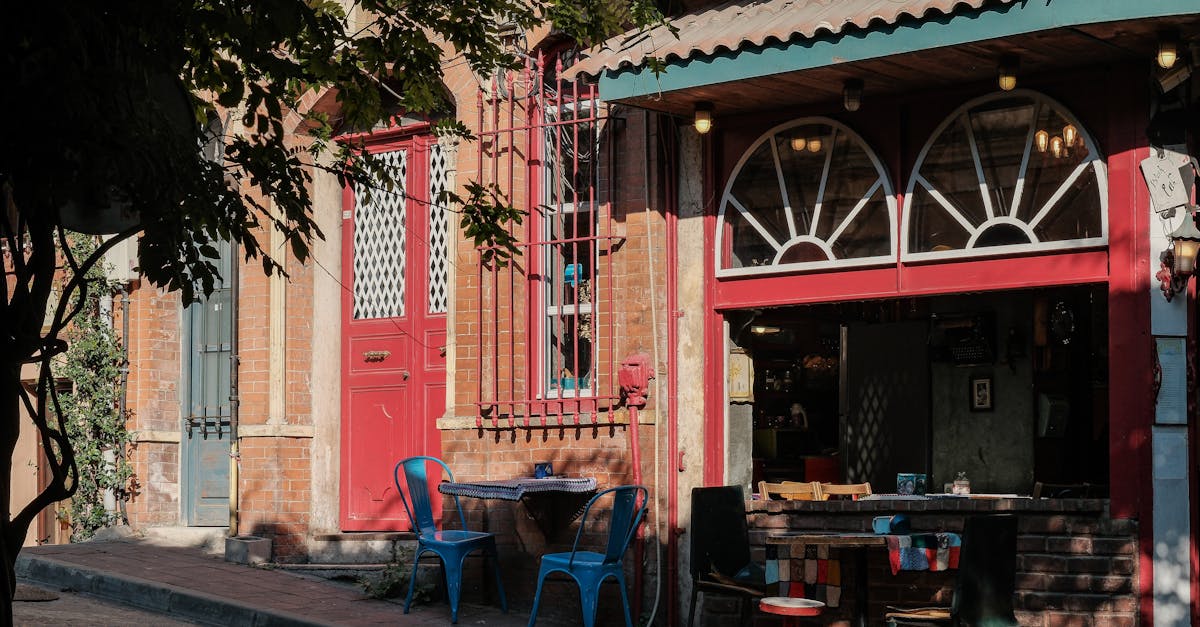
No journey along this historic path is complete without indulging in its exceptional culinary treasures, which vary delightfully from region to region. In Swabia, savor hearty dumplings (Spätzle) served with rich gravy and roasted pork, while further north in Franconia, you must try a glass of crisp Silvaner paired with local sausages at a rustic Gasthaus. Many family-run taverns still operate using recipes passed down through generations, serving dishes that tell the story of the land itself. For a sweet finale, seek out fresh Brezel pretzels dusted with coarse salt or artisanal marzipan from Nuremberg, ensuring your taste buds are as well-traveled as your feet.
 This photo was taken by Crab Lens on Pexels.