Top 5 Christmas Markets That Define the German Holiday Spirit
 This photo was taken by Oriel Frankie Ashcroft on Pexels.
As the crisp winter air sweeps across Germany, a magical transformation takes hold, turning cobblestone streets into enchanting wonderlands filled with the scent of spiced wine and freshly baked gingerbread. There is no better way to experience the true essence of Gemütlichkeit than by wandering through our world-famous Christmas markets, where centuries-old traditions blend seamlessly with festive cheer. From the historic heart of Bavaria to the romantic banks of the Neckar, these gatherings are more than just tourist attractions; they are the beating hearts of German culture during the holiday season. Join me as we explore five unforgettable destinations that capture the soul of the German Christmas, starting with timeless tales in Nuremberg, Saxon heritage in Dresden, and romantic lights over the river in Heidelberg.
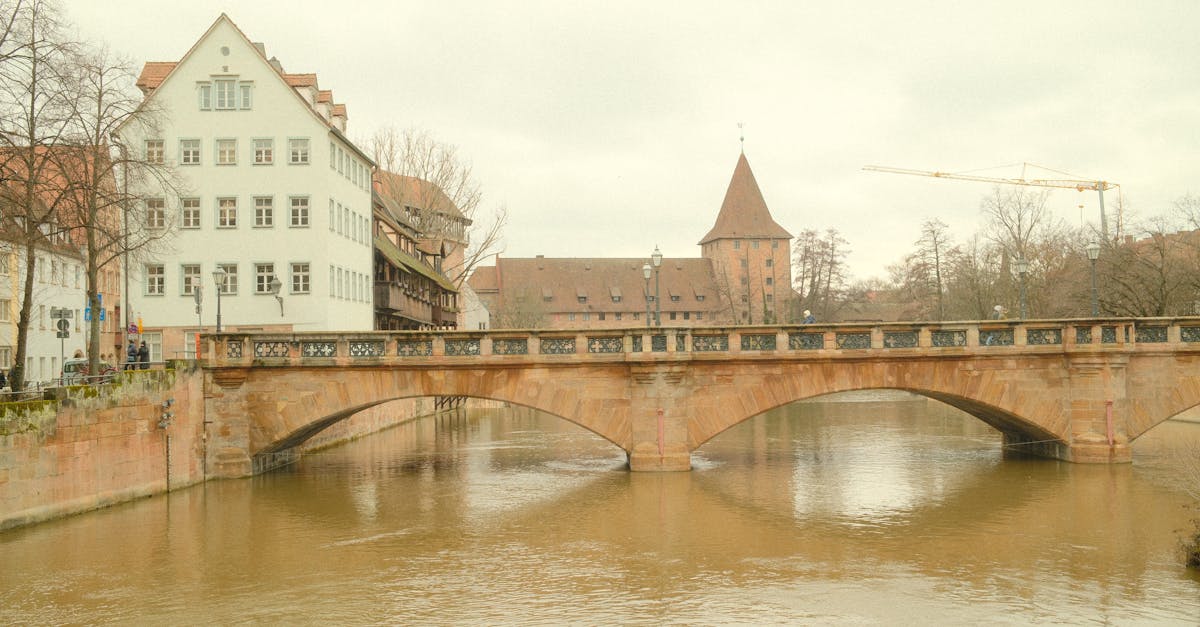
Nuremberg's Christkindlesmarkt: A Timeless Fairytale
 This photo was taken by Alyona Nagel on Pexels.
Dresden's Striezelmarkt: Where Tradition Meets the Saxon Alps
Nestled in the heart of Dresden's historic Altmarkt, the Striezelmarkt stands as a timeless testament to Saxon heritage, often cited as the world's oldest Christmas market dating back to 1434. Unlike many modern festivities, this market maintains an authentic atmosphere where the scent of roasted almonds and spiced wine mingles with the crisp mountain air that seems to drift down from the nearby Erzgebirge, or Ore Mountains. Visitors are immediately drawn to the towering wooden pyramids and intricate nutcracker stalls that echo the region's rich mining history, creating a cozy, rustic backdrop against the baroque splendor of the Frauenkirche and the Zwinger Palace.The culinary soul of the Striezelmarkt beats strongest around its namesake, the famous Stollen, a dense fruit bread traditionally baked by local guilds using recipes that have remained unchanged for centuries. As you wander through the timber-framed chalets, you can watch master bakers slice these golden loaves dusted with powdered sugar, a tradition that has earned the treat UNESCO intangible cultural heritage status. While the market offers a magical glimpse into the past, it perfectly balances this nostalgia with the warmth of the present, making it the quintessential starting point for anyone seeking to understand the genuine German holiday spirit amidst the shadow of the Saxon Alps.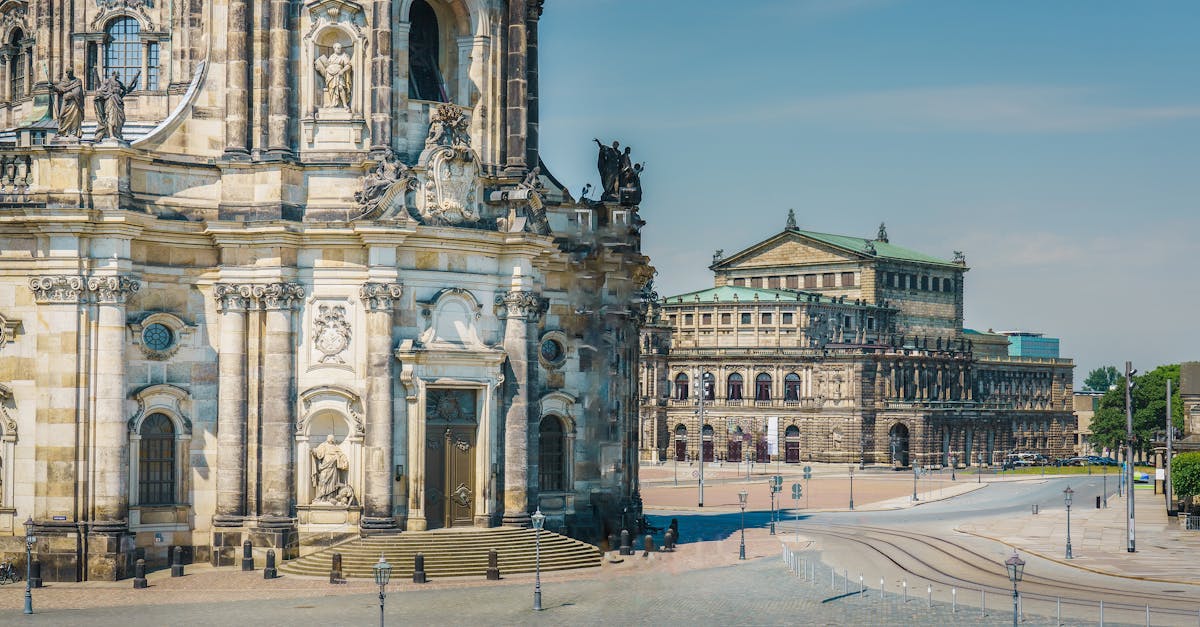 This photo was taken by Jakub Zerdzicki on Pexels.
Heidelberg's Romantic Market: Lights Over the Neckar River
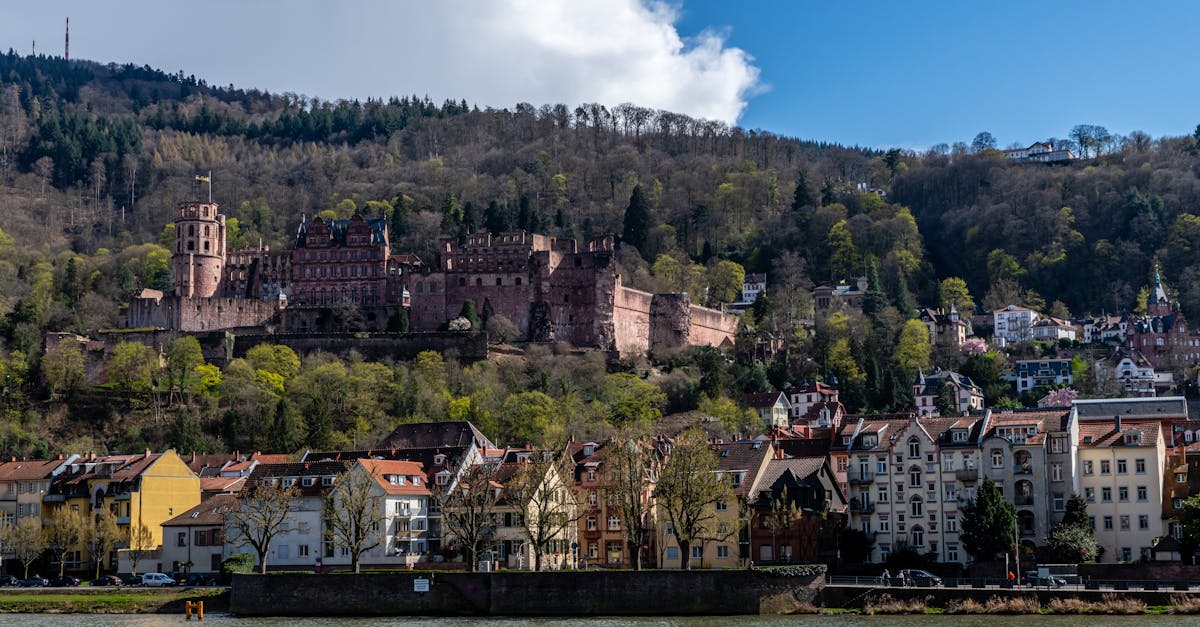
As the sun dips below the silhouette of Heidelberg Castle, the Romantic Market transforms into a shimmering wonderland where history and holiday magic intertwine. Located in the heart of the old town, this market is renowned for its intimate atmosphere, with hundreds of wooden stalls draped in twinkling fairy lights that reflect beautifully off the dark waters of the Neckar River. Visitors can savor warm Glühwein while listening to the soft strains of carolers echoing between the Gothic spires of the Alte Brücke and the historic university buildings, creating a scene so picturesque it feels like stepping directly into a classic German winter tale.
What truly sets this market apart is its dedication to craftsmanship and local traditions, offering everything from hand-blown glass ornaments to exquisite wooden nutcrackers crafted by artisans from the surrounding region. The air is filled with the irresistible scent of roasted almonds, cinnamon, and fresh bratwurst, inviting you to linger longer as the night deepens. Whether you are watching the illuminated castle loom majestically in the background or simply strolling along the riverbank to admire the reflections dancing on the water, Heidelberg's Romantic Market offers an unforgettable experience that perfectly captures the soulful essence of the German Christmas season.
 This photo was taken by Kirandeep Singh Walia on Pexels.