Top 5 National Parks for Nature Lovers in Germany
 This photo was taken by Vitali Adutskevich on Pexels.
Welcome to the heart of Germany, a land where ancient forests meet dramatic coastlines and majestic mountain peaks. As your local guide, I am thrilled to introduce you to the country's most breathtaking natural sanctuaries. In this post, we will embark on an unforgettable journey through five exceptional National Parks that showcase the incredible diversity of German landscapes. From the towering limestone cliffs and deep alpine lakes of Berchtesgaden to the mystical chalk formations and serene bays of Jasmund, each destination offers a unique escape into nature. We will also delve into the mysterious old-growth beech forests of Hainich, where the wild rivers whisper tales of untouched wilderness. Get ready to explore the very best of Germany's great outdoors!
Discovering the Alpine Wonders of Berchtesgaden
Nestled deep within the Bavarian Alps, Berchtesgaden National Park offers an awe-inspiring escape into Germany's most dramatic mountain landscape. Here, jagged peaks like the Watzmann tower over pristine valleys, while the crystal-clear waters of Königssee create a mirror-like surface that reflects the surrounding forest and limestone cliffs. Visitors can glide silently across the lake in traditional wooden boats to reach the secluded St. Bartholomew's Church, a picturesque landmark that seems to float on the water, or embark on challenging hikes along the Kehlsteinhaus trail for breathtaking panoramic views of the entire region.Beyond the iconic lake, the park is a haven for wildlife enthusiasts eager to spot the elusive golden eagle soaring above the ridges or the rare ibex grazing on steep slopes. The dense ancient forests and rugged terrain provide a sanctuary for biodiversity, making it one of the few places in Europe where you can still experience true wilderness. Whether you are traversing the scenic trails during a vibrant summer bloom or witnessing the silent majesty of snow-covered summits in winter, Berchtesgaden delivers an unforgettable immersion into nature that perfectly captures the spirit of the German Alpine experience.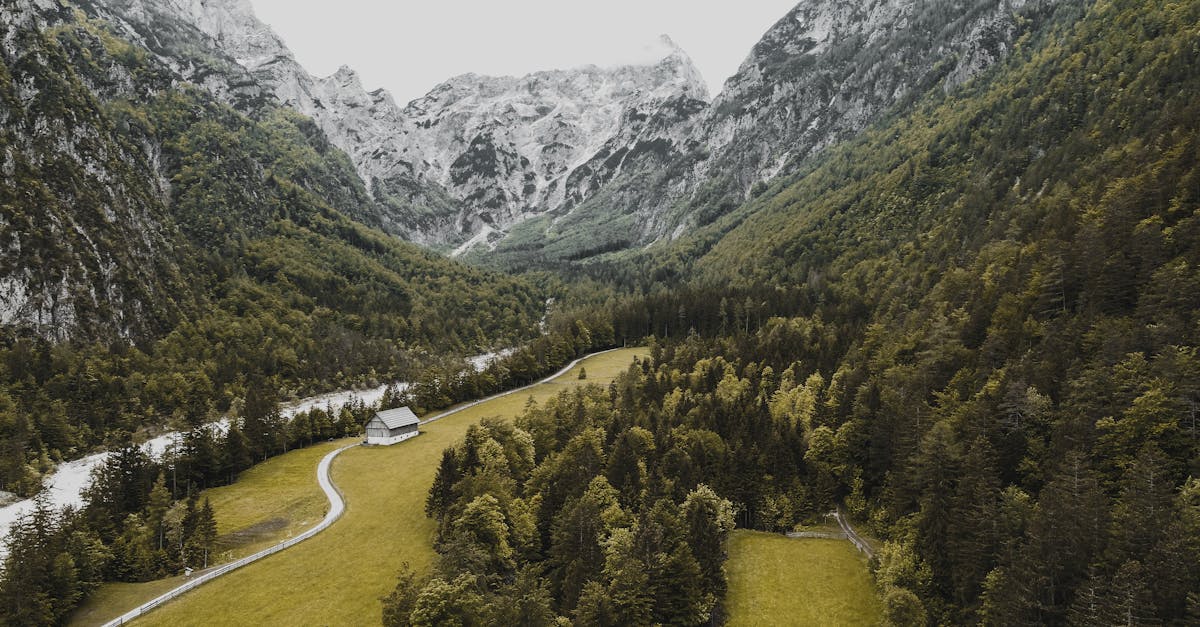 This photo was taken by Rok Romih on Pexels.
Wandering Through the Ancient Bays of Jasmund
Step into a world where nature has sculpted the coastline with dramatic flair at Jasmund National Park, Germany's smallest yet most visually striking protected area. Here, the iconic white chalk cliffs of Königsstuhl rise majestically from the Baltic Sea, creating a surreal landscape that seems to belong more to the Arctic than Central Europe. As you wander along the forest trails and boardwalks, you will be surrounded by an ancient sea of beech trees, some over 300 years old, whose roots cling precariously to the crumbling edges of the cliffs. The interplay of light on the stark white rock against the deep blue water offers endless photographic opportunities, while the constant sound of crashing waves provides a rhythmic backdrop to your exploration.
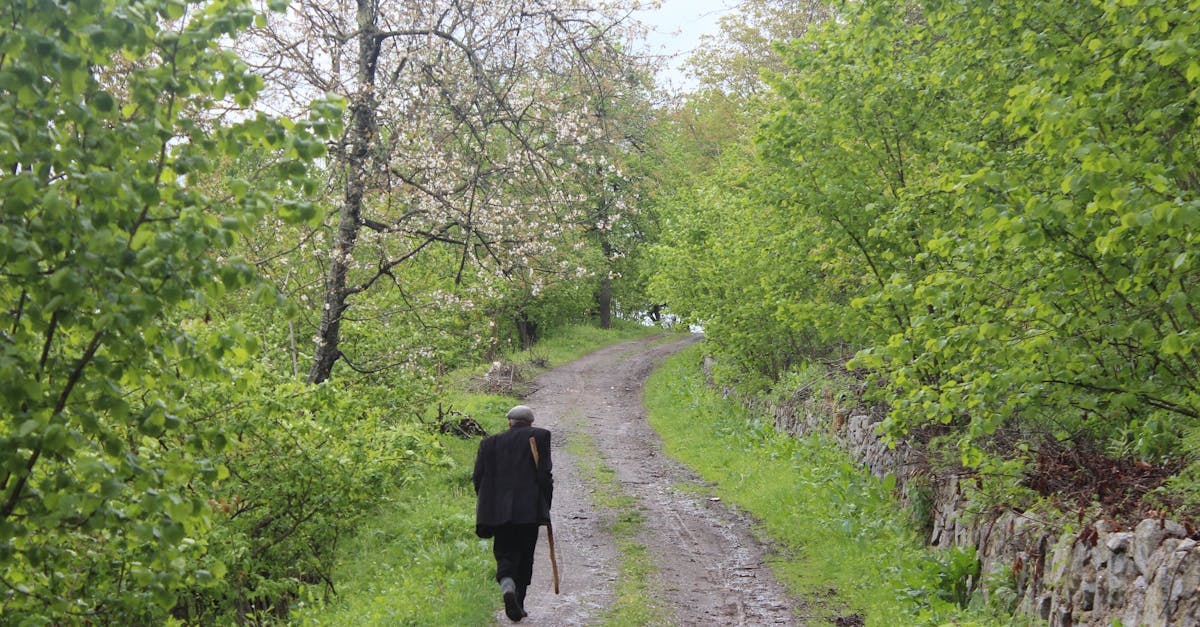
Beyond the breathtaking vistas, a visit to Jasmund is a journey through time, revealing a unique ecosystem that thrives in this rugged environment. Hikers can discover hidden coves and sandy beaches where the silence is only broken by the calls of seabirds and the rustling of wind through the dense woodland. The park serves as a sanctuary for rare species, including the black stork and various orchids that bloom in the spring sun. Whether you choose a guided tour to learn about the geological history of the chalk formations or simply prefer to lose yourself in the tranquility of the UNESCO World Heritage beech forests, wandering through these ancient bays offers a profound connection to the raw power and beauty of the German natural heritage.
 This photo was taken by Gülsüm Şener on Pexels.
Exploring the Wild Rivers of Hainich
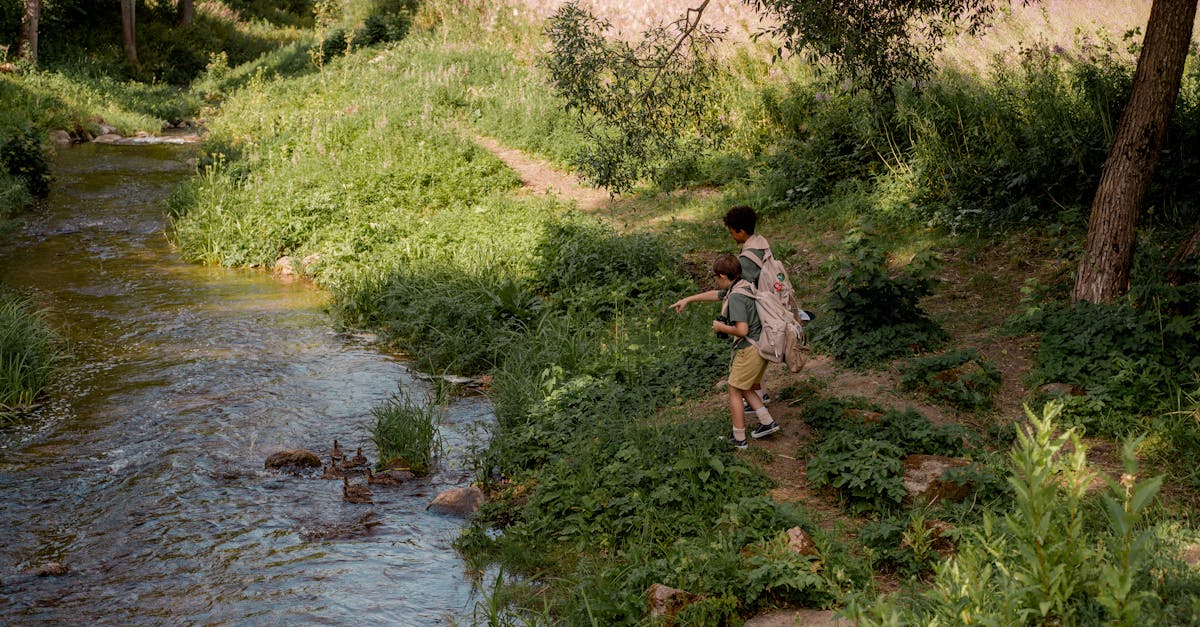
While the Hainich National Park is most famous for its ancient beech forests, a hidden gem awaits those willing to venture beyond the tree line: the dynamic wild rivers that carve through this UNESCO World Heritage landscape. The river Werra, in particular, offers a pristine and untamed experience where you can paddle along sections that remain largely free from human intervention. Unlike many other German waterways, these stretches of the Werra flow with a natural rhythm, surrounded by lush floodplains teeming with otters, kingfishers, and rare aquatic plants. Kayaking here provides an intimate perspective on the park's ecosystem, allowing visitors to glide silently past steep limestone cliffs and witness the raw beauty of nature reclaiming its space.
Beyond the thrill of paddling, exploring these wild rivers reveals the critical role they play in maintaining the biodiversity of the region. The seasonal flooding cycles create unique habitats that support a diverse array of wildlife, making it a paradise for ornithologists and nature photographers alike. Whether you are standing on a wooden observation deck or simply wading near the riverbank, the sound of rushing water combined with the rustle of the surrounding forest creates a symphony of tranquility that defines the Hainich experience. For nature lovers seeking an escape from the crowds, these river expeditions offer a profound connection to Germany's wild side, proving that true wilderness still thrives within the country's protected areas.
 This photo was taken by cottonbro studio on Pexels.