Understanding German Etiquette: Tips for a Smooth Trip
 This photo was taken by Jean-Paul Wettstein on Pexels.
Willkommen in Deutschland! Whether you are wandering through the historic streets of Berlin, exploring the fairytale castles of Bavaria, or enjoying a crisp hike in the Black Forest, understanding local customs is the key to unlocking an authentic and seamless travel experience. German culture places a high value on order, respect, and clear communication, which can sometimes seem strict to visitors but ultimately ensures a smooth journey for everyone involved. In this guide, we will walk you through the essential nuances of daily life, from the formalities of mastering greetings and the absolute importance of punctuality, to navigating our efficient public transport systems with grace. We'll also dive into the delightful world of dining customs, helping you navigate everything from specific bread rules to the relaxed atmosphere of traditional beer gardens. Get ready to embrace these cultural gems and make your next trip to Germany truly unforgettable.
This photo was taken by Jean-Paul Wettstein on Pexels.
Willkommen in Deutschland! Whether you are wandering through the historic streets of Berlin, exploring the fairytale castles of Bavaria, or enjoying a crisp hike in the Black Forest, understanding local customs is the key to unlocking an authentic and seamless travel experience. German culture places a high value on order, respect, and clear communication, which can sometimes seem strict to visitors but ultimately ensures a smooth journey for everyone involved. In this guide, we will walk you through the essential nuances of daily life, from the formalities of mastering greetings and the absolute importance of punctuality, to navigating our efficient public transport systems with grace. We'll also dive into the delightful world of dining customs, helping you navigate everything from specific bread rules to the relaxed atmosphere of traditional beer gardens. Get ready to embrace these cultural gems and make your next trip to Germany truly unforgettable.
Mastering the Art of Greetings and Punctuality
Welcome to Germany, where the first impression you make is often sealed with a firm handshake and direct eye contact; this greeting ritual applies to both formal introductions and casual meetings among friends. While a simple "Hallo" might suffice in very informal settings like a neighborhood bar, it is always safer to use "Guten Tag" (Good day) or "Guten Morgen/Abend" depending on the time of day when addressing shopkeepers, officials, or new acquaintances. Remember that Germans generally prefer to maintain a respectful personal space and avoid overly enthusiastic physical contact until a friendship is well-established, so sticking to a polite nod or a solid handshake is your best bet for navigating social interactions smoothly.
Equally critical to mastering German etiquette is the unwavering adherence to punctuality, which is viewed as a sign of respect and reliability rather than mere rigidity. Whether you are meeting a business partner, catching a train, or arriving at a dinner party, being exactly on time—or even five minutes early—is expected; arriving late without a valid reason can be perceived as rude or unprofessional. If an unexpected delay occurs, it is mandatory to call ahead immediately to inform those waiting, as Germans value transparency and planning above all else, ensuring that your schedule remains synchronized with the efficient rhythm of daily life here.
 This photo was taken by Mesut Yalçın on Pexels.
Navigating Public Transport and Queue Etiquette
Germany's public transport network is renowned for its punctuality, efficiency, and extensive coverage, making it the preferred choice for travelers exploring cities from Berlin to Munich. While tickets are mandatory and often subject to random checks by uniformed inspectors who can issue hefty fines for fare evasion, the system operates on a self-policing honor basis; simply remember to validate your paper ticket at the green or yellow machines before boarding trains and trams. Buses and subways feature clear digital displays showing real-time arrivals, and platforms are generally organized with designated waiting areas, ensuring a smooth flow of passengers even during peak rush hours when commuters move quickly but calmly.
Closely tied to this efficiency is the strict adherence to queue etiquette, which is deeply ingrained in German culture and essential for avoiding social friction. Whether you are waiting for a bus, standing in line at a bakery, or boarding a train, Germans expect everyone to form an orderly single file and wait their turn without cutting in line or pushing forward; jumping the queue is considered highly rude and will likely result in disapproving stares or direct confrontation. Additionally, once inside a vehicle or a waiting area, maintaining silence is paramount—loud conversations, phone calls, or playing music without headphones are frowned upon, as the shared space is respected as a quiet zone where personal volume is kept low to ensure a peaceful environment for all.
 This photo was taken by Akhil Dasari on Pexels.
Dining Customs: From Bread Rules to Beer Gardens
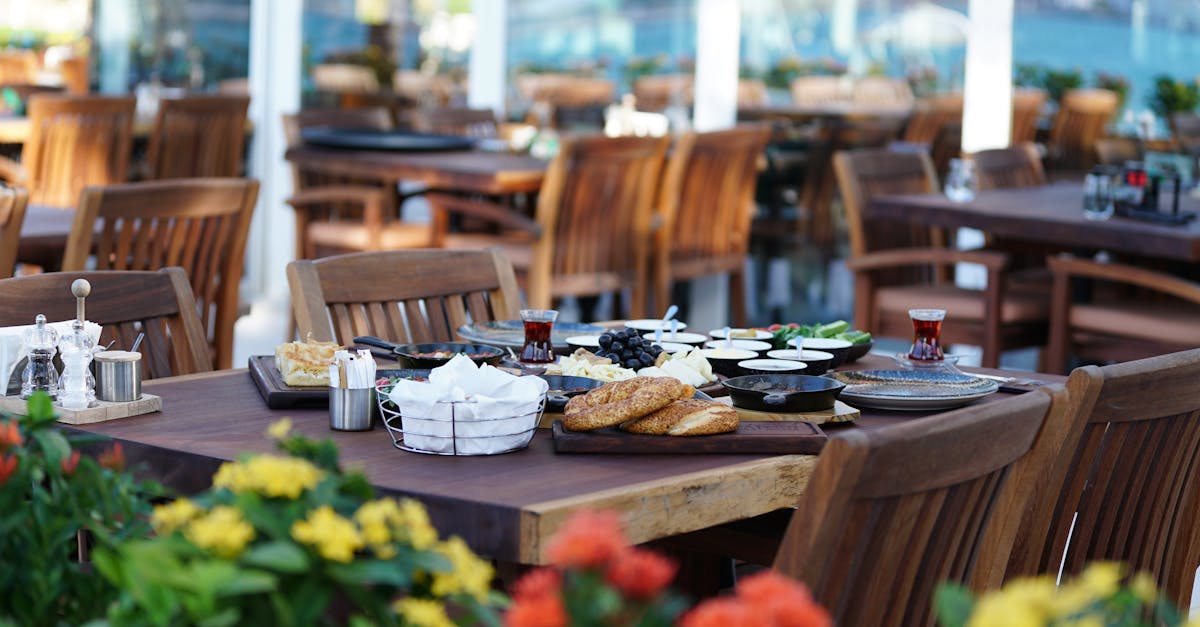
In Germany, dining etiquette extends far beyond simply ordering food; it is a ritual steeped in tradition and respect. One of the most cherished customs involves the daily bread service, where loaves are often placed on the table for everyone to share rather than served individually. When doing so, it is polite to wait until the host or the oldest person at the table has taken the first piece before serving yourself. Furthermore, if you are offered a beer, remember that saying "Prost" requires eye contact with your drinking partner; failing to look them in the eye while clinking glasses is considered bad luck and a sign of disrespect. This attention to detail reflects the German appreciation for order and social harmony during meals.
As the sun sets, many locals retreat to their beloved beer gardens (Biergärten), which offer a unique and relaxed atmosphere distinct from formal restaurants. In these open-air spaces, the rules are more informal but still carry specific unwritten codes: typically, you must bring your own plates and cutlery when you arrive, as they are not always provided, and you are expected to clear your own table once finished. It is also customary to sit at a communal table if no private one is available, making it a wonderful opportunity to strike up conversations with strangers. Whether enjoying a hearty Schweinshaxe or a crisp Pilsner, participating in these traditions will not only enhance your meal but also allow you to connect authentically with the local culture.
 This photo was taken by Mohamed Olwy on Pexels.