World War II History: Memorials and Museums You Need to Know
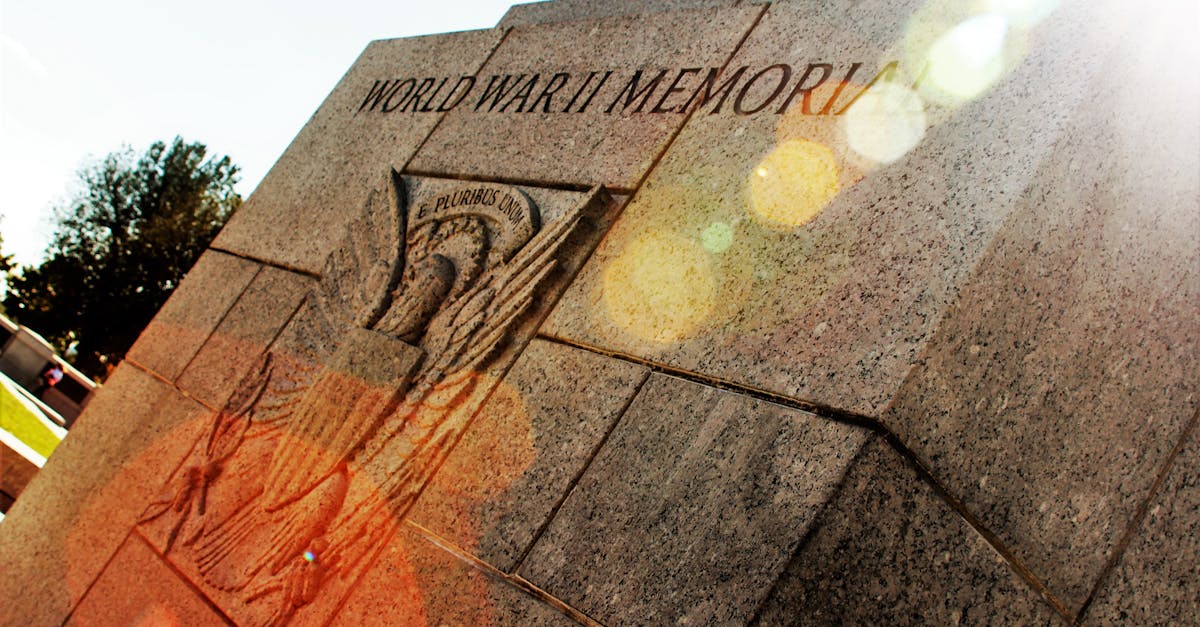 This photo was taken by Kendall Hoopes on Pexels.
Welcome to a journey through one of the most profound chapters in human history. As Germany, while a beacon of modern culture and innovation, carries the weight of its past, visiting its memorials and museums offers an essential perspective on resilience, remembrance, and reflection. From the political heart of Berlin to the solemn grounds of former concentration camps and the reconstructed landmarks of Dresden, this guide will lead you through sites that honor those lost and educate future generations. Whether you are a history enthusiast or a curious traveler, these locations provide a deeply moving experience that is crucial for understanding the true story of World War II.
Berlin: The Reichstag and Topography of Terror
Stepping into the heart of Berlin's political history, the Reichstag building stands as a powerful symbol of resilience and democratic renewal. Once the site of the infamous fire that helped pave the way for the Nazi regime, this historic edifice now houses the German Bundestag and features a stunning glass dome designed by Norman Foster, offering panoramic views of the city while reminding visitors of transparency in governance. Just outside its doors, the Memorial to the Murdered Jews of Europe provides a somber counterpoint with its field of 2,711 concrete slabs, creating an immersive and disorienting experience that forces reflection on the Holocaust's scale. Together, these sites offer a profound journey from the depths of totalitarian darkness to the light of modern democracy.
A short walk away lies the Topography of Terror, an open-air museum built directly upon the former grounds of the Gestapo and SS headquarters, where much of the Third Reich's machinery of terror was orchestrated. The exhibition traces the rise of National Socialism through extensive documentation, photographs, and personal testimonies, detailing how ordinary citizens were swept up in propaganda and fear before descending into unimaginable atrocities. Unlike many sanitized memorials, this site preserves the original earthworks and foundations of the bunkers, serving as a stark reminder of the physical reality where war crimes were planned and executed. It is an essential stop for any traveler seeking to understand not just the events of World War II, but the human capacity for both evil and the enduring struggle to remember.
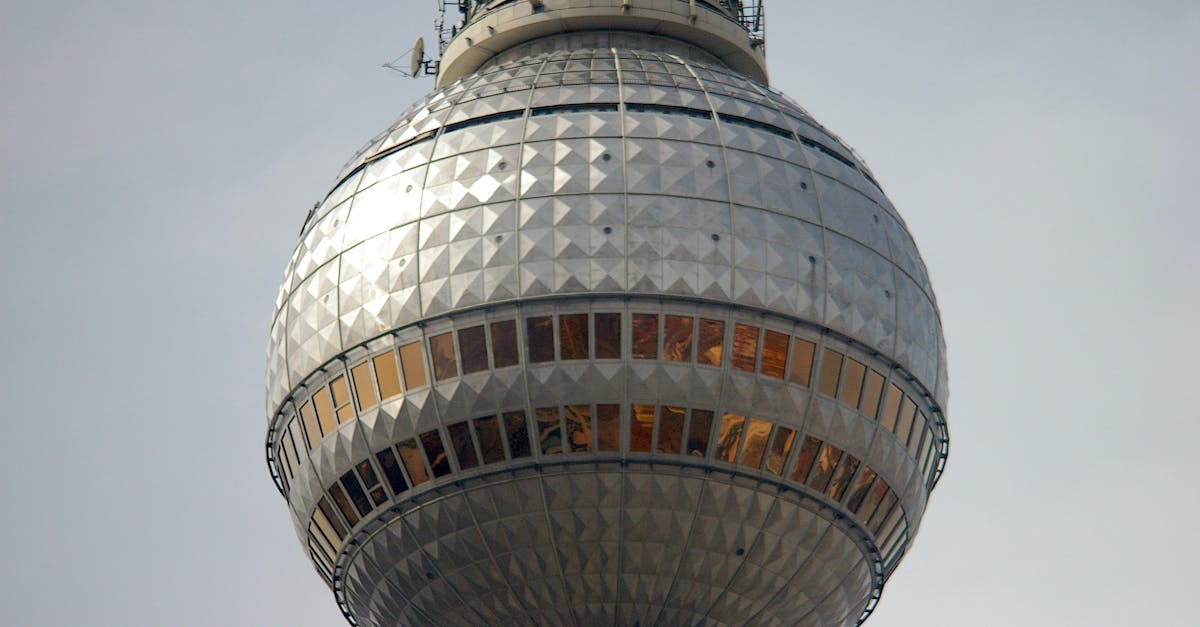 This photo was taken by Paolo Guizzardi on Pexels.
Munich: The Dachau Concentration Camp Memorial Site
Just a short tram ride from the vibrant heart of Munich lies the Dachau Concentration Camp Memorial Site, a profoundly moving destination that offers an essential window into the darkest chapters of World War II history. As the first concentration camp established by the Nazi regime in 1933, it served as a grim blueprint for the system of terror that would follow, making its preservation and interpretation critical for understanding the magnitude of human rights abuses committed during this era. Visitors are guided through the meticulously maintained barracks, the gas chamber replica, and the crematorium, where somber audio guides and informative plaques detail the systematic persecution faced by political dissidents, Jews, Roma, Jehovah's Witnesses, and other targeted groups, ensuring that the stories of both victims and perpetrators are never forgotten.Beyond the historical facts, the memorial site stands as a powerful testament to resilience and a solemn call to remember the consequences of hatred and intolerance. The grounds, which include a large outdoor exhibition area and the adjacent former SS quarters now housing a documentation center, provide a space for quiet reflection and education that transcends mere observation. For travelers exploring Germany, visiting Dachau is not just a historical excursion but a deeply personal experience that fosters empathy and underscores the importance of safeguarding democracy; it serves as a poignant reminder of what happens when society fails to protect its most vulnerable members, urging everyone who walks these paths to commit to building a more just and peaceful future.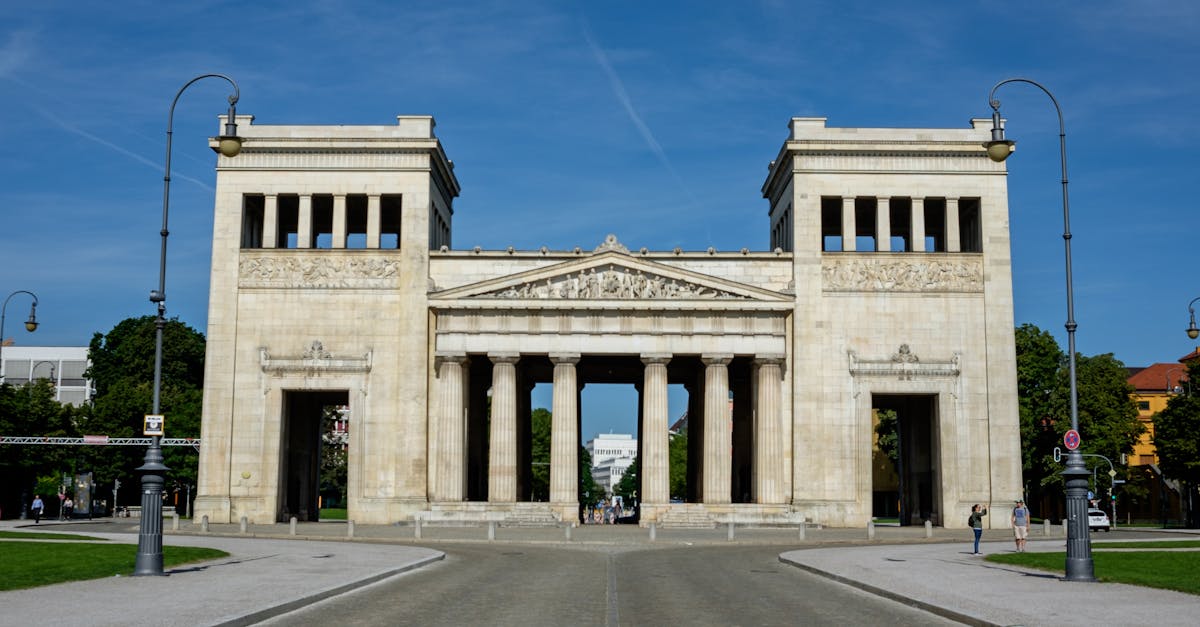 This photo was taken by Mayumi Maciel on Pexels.
Dresden: The Frauenkirche and War History Museum
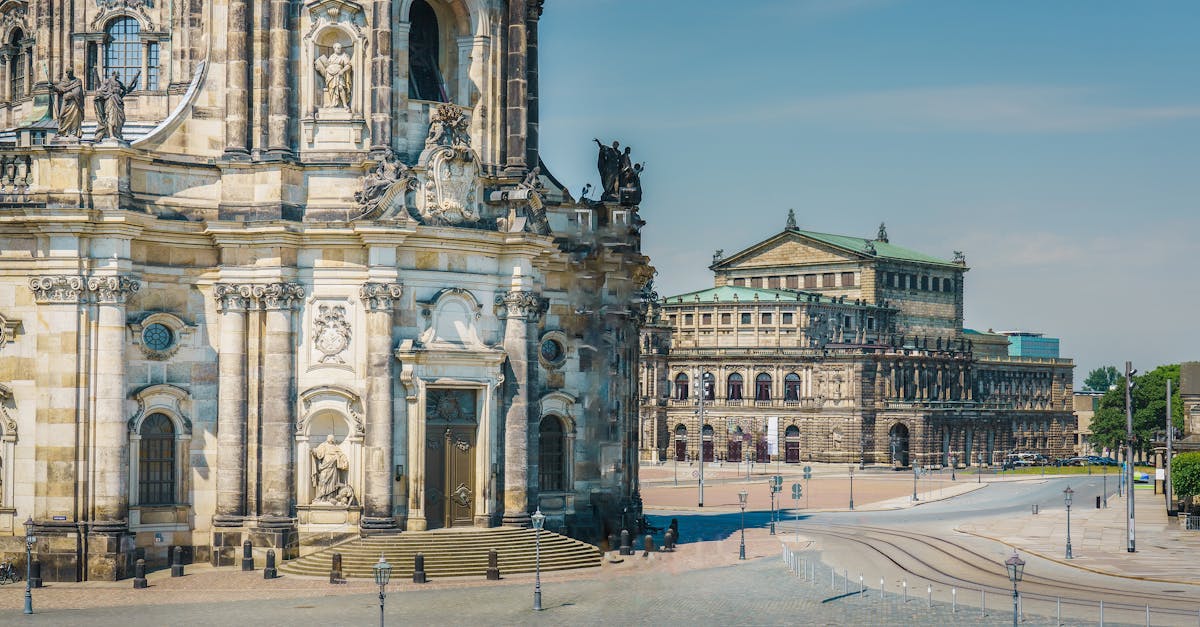
Standing majestically on the banks of the Elbe, the Frauenkirche in Dresden is a profound symbol of resilience and reconciliation, its sandstone dome rising above the city where it once lay in ruins. Originally destroyed during the Allied bombing raids of February 1945, the church was painstakingly reconstructed over decades using original stones marked with black scars to honor those who perished, creating a striking visual narrative of peace triumphing over war. Visitors can ascend the tower for panoramic views of the rebuilt Neumarkt square or enter the sanctuary to witness the altar inscribed with "Forgiveness" in multiple languages, a powerful reminder that this site now serves as a memorial not just to destruction, but to the enduring hope for unity across former divides.
Complementing the spiritual atmosphere of the Frauenkirche is the nearby War History Museum (Kriegsgefangenenmuseum) and the extensive documentation found within the city's broader memorials, which offer an unflinching look at the human cost of conflict in Saxony. While the city center focuses on reconstruction, deeper historical exploration reveals how Dresden served as a critical hub for armaments production and endured the devastating aerial bombardment that reshaped its landscape forever. By walking through these sites, tourists gain a nuanced understanding of Germany's complex relationship with its World War II past, seeing how modern society grapples with memory, guilt, and the imperative to educate future generations about the catastrophic consequences of total war.
 This photo was taken by Jakub Zerdzicki on Pexels.